Prof. Mohammed Marandi
| Traducir—Translate! | |
| Make fonts bigger>>> | Resize text-+= |

The video transcript presents an in-depth discussion about the complex geopolitical dynamics involving Iran, Israel, Lebanon, and the broader Middle East, focusing primarily on the recent conflicts, their underlying causes, and future risks. Prof Marandi provides a critical analysis of the ongoing tensions, particularly between Iran and Israel, emphasizing that a major war in Lebanon is inevitable and that conflict between Israel and Iran will persist. However, Prof Marandi dismisses the idea of direct war between the United States and Iran due to logistical and economic constraints.
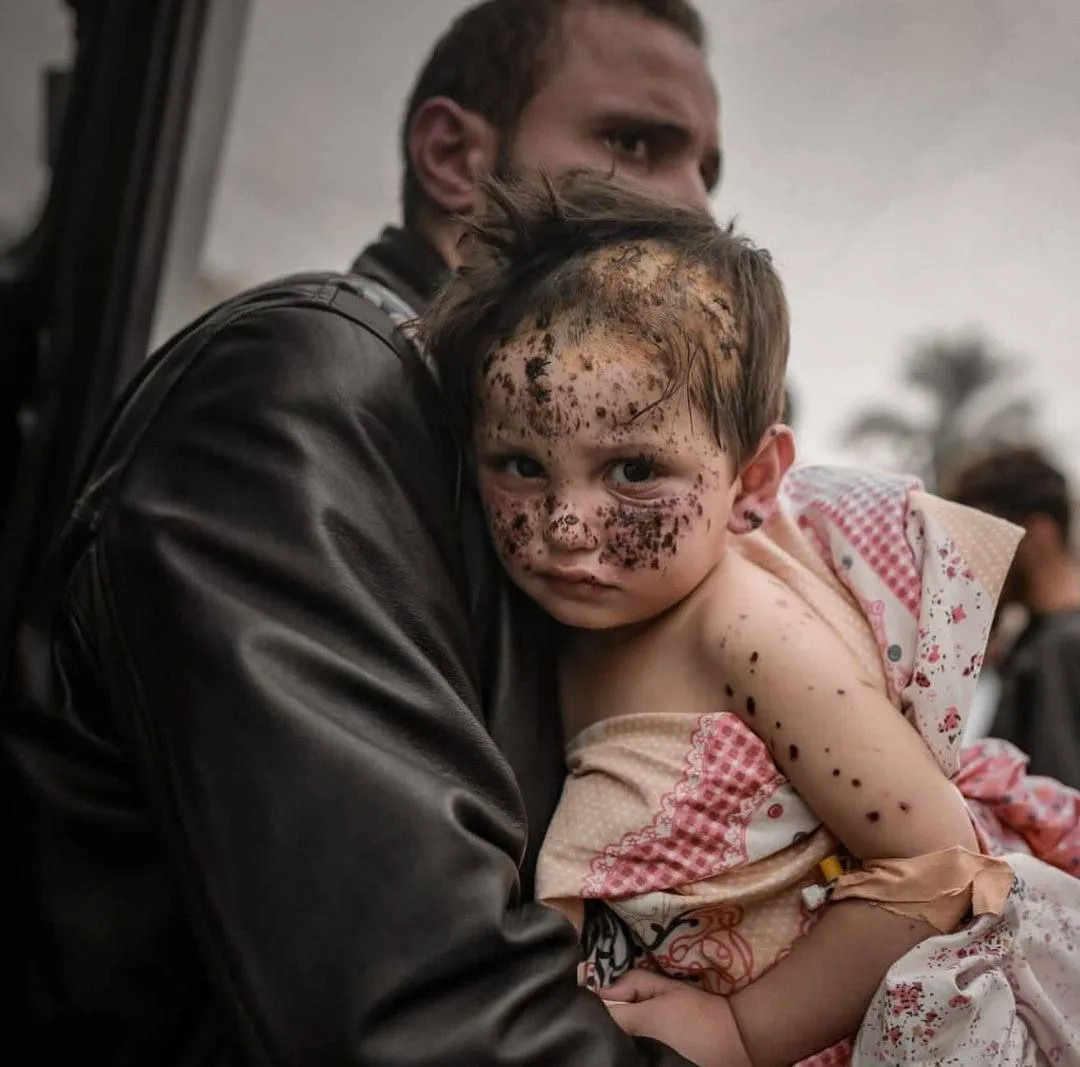
The discussion highlights Israel’s aggressive military posture, supported unequivocally by Western powers, despite widespread public opposition in the West. The Israeli regime is accused of carrying out genocidal acts, including attacks on civilians, ethnic cleansing, and promoting expansionist policies under the banner of “greater Israel.” Prof Marandi contrasts this with Iran’s principled stance supporting the Palestinian cause and resisting Israeli aggression, asserting that Iranian public sentiment largely backs their government, especially during times of external attack.
The conversation also addresses the narrative wars surrounding Iran’s legitimacy and popularity, criticizing Western media and think tanks for misleading portrayals often funded by opposition groups hostile to the Iranian government. Prof Marandi stresses that Iran’s government retains significant legitimacy and popular support, particularly in the context of resisting foreign aggression and supporting Palestinian liberation.
The discussion touches on the broader regional and international dimensions, including Hezbollah’s role in Lebanon, the implications of disarmament debates, and the influence of Western-backed factions in Lebanese politics. It also explores the question of potential normalization between Iran and Israel, dismissing it as unlikely due to Israel’s apartheid and supremacist policies.
Furthermore, Prof Marandi details espionage concerns within Iran, the impact of war on Iranian society, and the complex debate around Iran’s nuclear program. Despite rising public support for nuclear weapons as a deterrent, the Iranian government officially opposes nuclear armament on moral and strategic grounds. Prof Marandi concludes by highlighting the ongoing pressures Iran faces from Western and Israeli military threats and sanctions, noting that Iran remains a resilient and principled actor in a deeply unstable region.

Key Insights
⚔️ Inevitable Regional Conflict: The prediction of an inevitable major war in Lebanon and persistent Israel-Iran conflict underscores the entrenched nature of regional hostilities. This reflects decades of unresolved tensions, territorial disputes, and ideological divisions that make peaceful resolutions highly unlikely without significant geopolitical shifts. Prof Marandi’s assertion that Iran is preparing for a “second wave” of conflict indicates a long-term strategic posture rather than a temporary lull, emphasizing the cyclical and escalating nature of Middle Eastern conflicts.
Limits of US Military Engagement: Prof Marandi dismisses the possibility of a US-Iran war, emphasizing the logistical impossibility and economic catastrophe such a conflict would entail. This highlights a pragmatic understanding of global power dynamics—where direct military confrontation with Iran is too costly for the US, but proxy conflicts and airstrikes remain feasible. This insight reveals how great powers navigate indirect conflict to avoid costly full-scale wars while still exerting influence.
Western Backing Enables Israeli Aggression: Despite vocal opposition from ordinary Western citizens, Western governments continue to support Israel militarily and politically. This dichotomy between public sentiment and government policy illustrates the complexity of international alliances and the role of political and economic interests in shaping foreign policy. Prof Marandi’s characterization of Israel’s actions as genocide and ethnic cleansing challenges mainstream Western narratives and calls into question the moral basis of this support.
Misconceptions About Iranian Popularity: Prof Marandi critiques Western media and think tanks for perpetuating inaccurate portrayals of Iran’s internal politics, often based on biased or poorly sourced surveys funded by opposition groups. The observation that millions participated in funerals and protests supporting the government after attacks suggests a resilient national unity in times of external threat, challenging the dominant narrative of a fragile or unpopular Iranian government. This insight calls for a reassessment of Western perceptions and policies toward Iran.
️ Moral and Strategic Distinction Between Iran and Israel: Prof Marandi insists there is no moral equivalence between Israel’s apartheid and expansionism and Iran’s principled resistance, framing Iran as a defender of justice and Palestinian rights. This reframing challenges the conventional Western “two sides” narrative, emphasizing the importance of values and principles in understanding the conflict. It highlights how ideological and ethical considerations shape regional alliances and oppositions.
Hezbollah’s Role and Regional Security: Hezbollah’s refusal to disarm, supported by significant Lebanese public backing, is portrayed as a necessary deterrent against Israeli expansionism. This insight illuminates the interplay between local resistance groups and regional geopolitics, where disarmament is seen not as a path to peace but as a vulnerability that could lead to territorial losses and humanitarian crises. Prof Marandi warns of future Israeli incursions if Hezbollah were to disarm, reflecting deep mistrust of Israeli intentions.
☢️ Iran’s Nuclear Policy and Public Sentiment: Although public opinion in Iran increasingly favors developing nuclear weapons as a defensive measure, the government officially opposes nuclear armament on moral grounds and to prevent regional nuclear proliferation. This dual reality reflects the tension between popular security concerns and the government’s strategic calculations aimed at maintaining regional stability and international legitimacy. Prof Marandi’s personal experience surviving chemical attacks during the Iran-Iraq war adds moral weight to Iran’s nuclear restraint policy, contrasting it with Western hypocrisy and provocations.
Conclusion
Prof Marandi offers a comprehensive and nuanced perspective on Middle Eastern geopolitics, highlighting the asymmetries in power, narrative, and morality that fuel ongoing conflicts. It challenges dominant Western narratives by presenting Iran as a principled actor with popular legitimacy, resisting an expansionist and genocidal Israeli regime backed by Western powers. The discussion underscores the complexity of regional alliances, the risks of escalation, and the deep-rooted challenges to peace in the region. Understanding these dynamics requires moving beyond simplistic binaries and engaging with the historical, political, and ethical dimensions that define this volatile landscape.
 BEFORE you leave, PLEASE pay attention to this alert.
[t4b-ticker id="1"]
Print this article [bws_pdfprint display=’print’]
 This work is licensed under a Creative Commons Attribution-NonCommercial 4.0 International License •
ALL CAPTIONS AND PULL QUOTES BY THE EDITORS NOT THE AUTHORS