[su_spoiler title=”Please make sure these dispatches reach as many readers as possible. Share with kin, friends and workmates and ask them to do likewise. ” open=”yes” style=”fancy” icon=”arrow-circle-1″]

George Galloway

| Traducir—Translate! | |
| Make fonts bigger>>> | [wpavefrsz-resizer] |
INTERVIEW: The US lost the war from the first rounds fired
The video features an in-depth interview with retired Lieutenant Colonel Tony Aguilar, a former U.S. soldier and whistleblower, who provides a comprehensive military and geopolitical analysis of the unfolding conflict involving the United States, Iran, Israel, and the broader Middle East. Aguilar asserts that the United States entered the conflict unprepared, severely underestimating Iranian military capabilities—especially their ballistic missile and drone warfare—as well as Iran’s resolve. He critiques the Trump administration’s impulsive decision-making, which has led to a prolonged and bloodier conflict than anticipated, akin to Iraq or Afghanistan but with greater costs.
Aguilar highlights the strategic moves Iran has made, including missile strikes on U.S. bases across 16 countries in the region, signaling that any nation hosting U.S. forces involved in the conflict is now a legitimate target under international law. He condemns the U.S. for failing to defend its Gulf Cooperation Council (GCC) partners adequately and for prioritizing the protection of Israel, which ironically is now vulnerable to Iranian missile attacks with limited effective defense.
The interview also touches on the possibility that Iran is holding over 170 U.S. special operations personnel as prisoners of war, which would significantly escalate the conflict and complicate the U.S. political and military response. Aguilar warns that the current administration may respond with reckless military tactics, including the use of airborne assaults in unsuitable terrain, risking high American casualties.
Perhaps most alarmingly, Aguilar discusses the increasing likelihood of the United States or Israel employing tactical nuclear weapons due to dwindling conventional military options. He explains that the deployment of nuclear-capable bombers and command planes signals readiness for nuclear escalation, a move that could trigger a wider global conflict involving nuclear-armed allies of Iran such as Russia, China, and Pakistan. This scenario brings the world dangerously close to a new world war, with a realignment of global alliances reminiscent of early 20th-century conflicts.
The US and Israel (its spawn) have brought the world to the literal brink of a nuclear Armageddon. Meanwhile the European vassals struggle to join the latest clusterfuck.
Finally, the economic fallout is examined, with soaring fuel prices and an impending global market crash that will likely shake U.S. domestic politics. Aguilar predicts political instability and shifting allegiances in Washington as the war’s consequences deepen and dissatisfaction grows among American voters.
Highlights
-
[01:19] ⚔️ U.S. entered the war unprepared, underestimating Iran’s missile and drone capabilities.
[06:12] 🌍 Iran’s missile strikes on 16 nations mark all U.S. bases in the region as legitimate targets.
[10:56] 🚀 Iron Dome defenses in Israel are failing due to depleted missile stockpiles.
[12:59] 🎖️ Iran reportedly holding 173 U.S. special forces personnel as prisoners of war, escalating the conflict.
[17:42] ☢️ Rising possibility of tactical nuclear weapon use by the U.S. or Israel due to dwindling conventional options.
[21:52] 🌐 Russia may place Iran under its nuclear umbrella, potentially triggering a global alliance split and new world war.
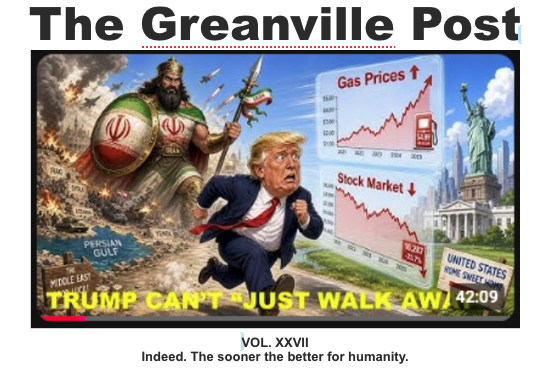
[26:21] 📉 China is quietly undermining U.S. economic stability by dumping U.S. stock holdings amid the conflict.

[bg_collapse view=”button-orange” color=”#4a4949″ expand_text=” Click button to read key insights and full analysis” collapse_text=”Show Less” ]
Key Insights
-
[01:19] ⚔️ U.S. Strategic Failure from Outset: Aguilar’s military background lends credibility to his assessment that the U.S. was ill-prepared for this conflict. The failure to build coalitions, secure adequate armaments, and properly position troops highlights a critical intelligence and planning breakdown. His reference to contingency plans for a war with Iran underscores that these failures were not accidental but the result of poor strategic decision-making at the highest levels. This unpreparedness has prolonged the conflict and increased American casualties.
-
[06:12] 🌍 Legal and Strategic Consequences of Iran’s Regional Missile Strikes: By targeting U.S. bases across multiple countries, Iran not only broadens the battlefield but challenges traditional notions of sovereignty and military presence. Aguilar’s explanation that these bases become legitimate targets under international law reveals the profound geopolitical risk for countries hosting American troops, potentially undermining longstanding alliances and destabilizing the entire Middle East. This shift forces GCC countries to reconsider their relationship with the U.S., possibly realigning with regional powers like Iran or Russia.
-
[10:56] 🚀 Depletion of Israeli Missile Defense and Its Implications: The Iron Dome’s failure is critical because it was Israel’s primary defensive mechanism against missile attacks. Aguilar points out the economic and tactical imbalance in missile exchanges, where expensive interceptor missiles are pitted against cheaper Iranian drones and missiles, leading to rapid depletion of Israel’s defenses. This vulnerability exposes Israel’s civilian population and military infrastructure to significant risk, which could alter the course of the conflict and regional power dynamics.
-
[12:59] 🎖️ POWs and the Escalation of Conflict Complexity: The reported capture of U.S. special forces, including Delta Force operators, marks a serious escalation. Aguilar’s insights into the rarity of such occurrences since the Cold War highlight the potential political and military fallout. This situation could force the U.S. government into difficult decisions regarding military action, prisoner negotiations, or escalation, increasing the risk of larger-scale combat and casualties. It also damages U.S. credibility and morale.
-
[17:42] ☢️ Nuclear Escalation as a Last Resort: Aguilar’s prediction that the U.S. and Israel may resort to tactical nuclear weapons underscores the desperation and severity of the military situation. His explanation of modern nuclear command and control systems adds credibility to the imminent threat. The use of tactical nukes would break post-WWII norms, potentially provoking catastrophic consequences and global condemnation, and possibly triggering a wider nuclear conflict given Iran’s alliances.
-
[21:52] 🌐 Geopolitical Realignment and Risk of Global War: The potential for Russia to place Iran under its nuclear umbrella and the involvement of China and Pakistan signal a profound reshaping of global alliances. Aguilar’s analogy to the lead-up to World War I highlights how minor triggers can ignite widespread conflict when underlying tensions are high. This realignment threatens U.S. global hegemony and could usher in a new era of great power conflict with devastating consequences worldwide.
-
[26:21] 📉 Economic Warfare and Domestic Political Fallout: Beyond the battlefield, China’s dumping of U.S. stock holdings and the surge in fuel prices reveal the conflict’s economic dimension. Aguilar’s analysis suggests these pressures will exacerbate political instability in the U.S., as voters grow disillusioned with both major parties. The economic fallout could force shifts in U.S. policy or leadership, though uncertainty remains about whether these changes will lead to de-escalation or further conflict.
Overall, the interview by Lieutenant Colonel Tony Aguilar delivers a sobering portrait of a poorly managed war that is escalating dangerously, with profound military, geopolitical, and economic consequences. His military expertise and candid critique of U.S. leadership offer critical insights into the complex dynamics shaping this crisis and the potential for catastrophic escalation.
[/bg_collapse]
SPECIAL ADDITIONAL FEATURE
MONOLOGUE: Dubai bye-bye. You won’t be missed. Literally
Mar 8, 2026 #MOATS #georgegalloway #Trump
Summary
The video transcript presents a detailed and critical analysis of the escalating conflict involving the United States, Iran, and Israel, highlighting the severe humanitarian, geopolitical, and environmental consequences. It opens with a sharp critique of former U.S. President Donald Trump’s leadership style during a time of war, contrasting his seemingly indifferent behavior—playing golf amid chaos—with the grave unfolding events on the ground. The conflict has already resulted in significant casualties, including reports of 600 American soldiers wounded or dead and the capture of 173 elite Delta Force members by Iranian forces, signaling a major U.S. military failure reminiscent of past humiliations.
The narrative outlines the devastating impact of Iranian missile strikes on Israeli territory, including attacks on critical military and intelligence infrastructure, which marks a significant shift from prior conflicts. The discussion also covers the environmental damage caused by ongoing bombardments of Iran’s oil facilities, producing vast plumes of toxic smoke that threaten regional and global health.
Further, the speaker delves into the political consequences of the war, particularly focusing on Bahrain’s instability and the potential collapse of its monarchy, which has relied on foreign mercenaries and Western military support. This upheaval could lead to Bahrain becoming an Islamic republic, a major regional transformation.
The transcript also predicts a looming economic catastrophe due to rising oil prices, driven by the destruction of oil infrastructure in the Persian Gulf, which could destabilize Western economies. Despite claims from U.S. and Israeli officials that Iran is running out of missiles, the conflict appears far from over, with mounting casualties and destruction on both sides.
The climax of the discussion centers on a highly alarming prospect: the imminent use of a tactical nuclear bomb by the U.S. on Iran’s Fordo nuclear facility, which would cause catastrophic physical destruction and radioactive fallout extending beyond Iran’s borders. The speaker warns of the profound political fallout this act would trigger, including Russia potentially extending its nuclear umbrella over Iran, thereby escalating the conflict toward a global war scenario. The video ends with a dire warning about the potential outbreak of World War III if these tensions continue to escalate unchecked.
Highlights
- [00:00] ⛳ Trump plays golf amid global chaos and economic collapse caused by his decisions.
- [02:54] 💥 Iranian missile strikes hit critical Israeli military and intelligence buildings, causing heavy casualties.
- [04:29] 🚨 173 elite U.S. Delta Force soldiers captured by Iranian forces, marking a major U.S. military failure.
- [07:33] 👑 Bahrain’s monarchy destabilized, with the king fleeing and the country potentially becoming an Islamic republic.
- [09:49] 🌫️ Bombing of Iran’s oil depots sends toxic smoke across the region, causing an environmental disaster.
- [11:06] 📈 Oil prices surge, threatening global economic collapse amid ongoing conflict.
- [15:45] ☢️ Imminent threat of U.S. tactical nuclear strike on Iran’s Fordo nuclear facility, risking regional and global catastrophe.
[bg_collapse view=”button-orange” color=”#4a4949″ expand_text=”Click button for KEY INSIGHTS and rest of the analysis” collapse_text=”Show Less” ]
Key Insights
- [00:00] ⛳ Trump’s leadership during the crisis is portrayed as negligent and detached, symbolized by his decision to play golf while wars rage and economies collapse. This points to a broader critique of political leadership failures during international conflicts and their consequences on global stability.
- [02:54] 💥 The precision and scale of Iranian missile attacks represent a paradigm shift in Middle Eastern warfare, demonstrating Iran’s enhanced military capabilities, including advanced ballistic and hypersonic missiles. The damage to key Israeli defense and intelligence installations signals a direct challenge to Israeli security and regional power balances.
- [04:29] 🚨 The capture of 173 Delta Force soldiers is historically significant, reminiscent of past U.S. military debacles like the 1979 Iran hostage crisis. It exposes vulnerabilities in U.S. special operations and complicates the military and diplomatic landscape, potentially limiting U.S. options and escalating tensions further.
- [07:33] 👑 Bahrain’s political crisis illustrates how regional conflicts can accelerate domestic upheavals in allied regimes. The potential transformation of Bahrain into an Islamic republic could inspire similar uprisings and destabilize the Gulf monarchies, impacting U.S. and Western strategic interests in the region.
- [09:49] 🌫️ The environmental consequences of the war are severe but underreported. The destruction of oil infrastructure not only exacerbates global energy crises but also causes toxic pollution with long-term health and ecological effects, highlighting the environmental cost of modern warfare.
- [11:06] 📈 The rising oil prices underscore the interconnectedness of geopolitics and global economics. The disruption in Persian Gulf oil supplies threatens economic stability worldwide, which could trigger recessions or depressions, disproportionately affecting vulnerable populations and intensifying global insecurity.
- [15:45] ☢️ The prospect of a U.S. tactical nuclear strike on Iran’s nuclear facilities is an unprecedented escalation with profound implications. It risks triggering nuclear fallout and radiation that transcends borders, potentially destabilizing the entire Middle East and drawing Russia into the conflict under a nuclear umbrella agreement, raising the grave possibility of a broader world war.
Conclusion
This transcript outlines a deeply troubling scenario where geopolitical miscalculations, military failures, and escalating violence in the Middle East intertwine with environmental devastation and economic turmoil. The narrative warns of a potential escalation into nuclear conflict with global consequences. It underscores the fragility of current international relations and the dire need for diplomatic solutions to prevent further catastrophic outcomes.
[/bg_collapse]
BEFORE you leave, PLEASE pay attention to this alert.
[t4b-ticker id=”1″]
[/su_spoiler]
Print this article [bws_pdfprint display=’print’]
[su_note note_color=”#f1efef” radius=”0″]The views expressed herein are solely those of the author and may or may not reflect those of The Greanville Post, although, if we publish them, we obviously find them noteworthy and valuable. [/su_note]
This work is licensed under a Creative Commons Attribution-NonCommercial 4.0 International License •
ALL CAPTIONS AND PULL QUOTES BY THE EDITORS NOT THE AUTHORS


1 comment
https://www.yahoo.com/news/articles/fact-check-173-american-delta-072127359.html