George Galloway
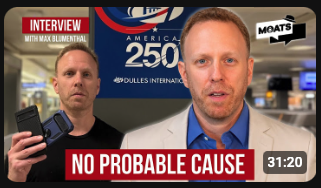
INTERVIEW: Big Bro is watching you

Max Blumenthal on US-Israel Influence, Journalist Harassment, and the Iran Conflict
Summary
Max Blumenthal, a prominent journalist for The Grayzone News, shares his experience of unlawful device seizure at the US border following his coverage of Ayatollah Khamenei’s funeral in Iran. He details how his phones were confiscated in what appears to be a politically motivated crackdown tied to pro-Israel interests within the US government during the Trump administration. Blumenthal narrates the extensive pressure campaign from Israeli-aligned actors, including political operatives and groups like Canary Mission, aimed at suppressing dissenting viewpoints on the Israel-Iran conflict. Further, he discusses the ongoing proxy war dynamics between the US and Iran, emphasizing Iran’s strategic military posture and the significant public opposition to the US war effort. Lastly, he warns about the fragile security situation in the Gulf, highlighting Kuwait's vulnerability amid escalating tensions and strikes.
Highlights
- [01:15] 📰 Max Blumenthal accused of extremist views for reporting facts from Ayatollah Khamenei’s funeral.
- [04:10] 🔒 US Customs and Border Protection illegally seized Blumenthal’s devices to access his journalistic sources.
- [11:03] 🕵️♂️ Laura Loomer, an extremist influencer, pressured the Trump administration to target Blumenthal.
- [13:45] 🇮🇱 Canary Mission, backed by Israeli interests, works to destroy Palestine solidarity activists and influenced US actions against Blumenthal.
- [15:40] 🇺🇸 Vice President J.D. Vance admits Israeli influence campaigns in the US, confirming longstanding suspicions.
- [20:45] 🎯 Iran targets US bases and Israeli proxy defenses, escalating tit-for-tat attacks in the region.
- [29:10] 🏰 Kuwait’s security is weakening due to US-sponsored attacks on Iran and the risk of Iranian retaliation amid internal sectarian tensions.
Key Insights
[02:30] 📰 Journalistic Freedom vs. Political Suppression: Blumenthal’s experience reveals a troubling erosion of First and Fourth Amendment protections for journalists, particularly those covering politically sensitive conflicts. The seizure of his devices—not to investigate crime but to access his sources—illustrates how intelligence and political pressure can be weaponized to suppress inconvenient truths within a democratic state.
[05:20] 🔗 Intersection of US and Israeli Political Influence: The pressure on US agencies to harass journalists like Blumenthal is traced to Israeli-aligned operatives with considerable access to Trump administration levers of power. This alliance exemplifies the deep entanglement between US foreign policy and Israeli interests, impacting the freedom of the press and shaping narrative control domestically and internationally.
[11:20] 🤡 The Role of Extremist Influencers in Policy Manipulation: Figures like Laura Loomer serve as unregistered foreign agents or proxies, exerting informal but potent influence on US executive decisions. This phenomenon signals a new hybrid front where social media personalities become instruments of international political warfare, disrupting traditional checks and balances in government processes.
[14:50] 🇮🇱 Covert Operations Against Dissent Within US Borders: Organizations like Canary Mission, funded and directed by Israeli foundations, conduct aggressive campaigns against US-based activists supporting Palestine. Their role in flagging targets for US immigration and security enforcement highlights an external influence network operating within US institutions, threatening civil liberties of citizens and residents.
[17:30] 📉 Declining US Public Support for the War on Iran: New public opinion data shows a majority opposing continued military engagement against Iran, reflecting broad discontent with the war’s rationale and human costs. This shift pressures policymakers to reconsider the open-ended conflict and signals potential domestic consequences for elected officials backing such policies.
[22:30] 🎯 Iran’s Escalation Dominance and Strategic Posture: Iran’s focused military campaign targets US bases and proxy allies in the region strategically, using ballistic missile capabilities and intelligence from global powers such as China and Russia. This methodical approach contrasts with US attacks on civilian infrastructure, signifying asymmetrical warfare where Iran maintains escalating control despite US efforts.
[29:25] 🕌 Regional Fragility—Kuwait as a Case Study: Kuwait’s alignment with the US and hosting of military bases exposes it to Iranian missile strikes, destabilizing the state already vulnerable due to significant Shia populations and weak institutional defense. The possibility of Iranian incursions or internal uprising raises alarms over a regional domino effect that could widen the conflict beyond current hotspots.
This interview provides an incisive critique of how geopolitical conflicts influencing the Middle East extend deep into US civil rights, media freedom, and domestic politics, while also delivering a tactical analysis of ongoing military developments.