111

Be sure to share these materials with friends, kin, and workmates.
DIALOGUE WORKS
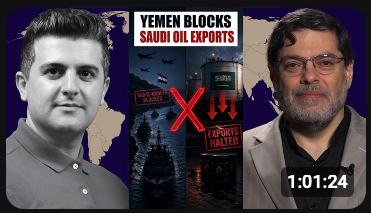 Nima talks to Prof. SM Marandi

This video features an interview with Professor Seyed M. Marandi (0:08) discussing the ongoing regional tensions in West Asia as of August 4, 2026. The discussion focuses on the conflict involving Iran, Saudi Arabia, the United States, Yemen, and the status of the Strait of Hormuz.
Key takeaways from the discussion:
- Strait of Hormuz and Security: Professor Marandi asserts that Iran is determined to maintain full supervision and control over the Strait of Hormuz (8:41, 17:12, 35:02). He argues that there will be no peace or normalized traffic through the strait without Iran's full knowledge and consent, and that ships will be required to pay a fee (9:16, 35:55).
- Conflict in Yemen: The situation in Yemen is described as a critical factor in the regional crisis. Marandi notes that Yemen has been striking Saudi targets (specifically the Najran airport and radar installations) in response to the Saudi blockade, which he views as a barbaric siege on civilians (0:28, 51:46).
- The "Axis of Resistance": Marandi defends the actions of groups like Hezbollah and Ansar Allah in Yemen, arguing they are not Iranianproxies but independent allies with agency, resilient in their resistance against the "empire" (48:29, 49:21).
- Stance on Negotiations: The professor emphasizes that Iran is not currently negotiating with the United States (8:16, 19:51). He suggests that any future deal would require more than the original JCPOA terms, noting that Iran's demands would likely include resolving issues regarding Yemen, Gaza, and the release of frozen assets (10:31, 13:01, 43:18).
- US Presence and Regional Partners: The video discusses the presence of US forces in countries like Kuwait, Bahrain, and Iraq. Marandi warns that if these countries continue to facilitate military actions against Iran, they will be held responsible, suggesting that regional power plants or infrastructure could become potential targets in a conflict (24:29, 26:10).
- Critique of Regional Leaders: Marandi is highly critical of regional leaders who he claims have endorsed Trump and a "fake" ceasefire in Gaza, arguing that they have abandoned the Palestinian cause to support the US and Saudi interests (11:00, 50:07).