Black Mountain Analysis

The war in Ukraine that will not stop...
As the war in Ukraine grinds into its next phase, international observers continue to search for signs of a diplomatic off-ramp or a negotiated settlement. However, a close examination of the underlying political, intelligence, and strategic dynamics suggests that the conflict is highly unlikely to end in the near future. The war’s prolongation is not merely the result of battlefield stalemates, but the product of a complex web of survival imperatives, intelligence-agency dominance, and grim strategic utility. From this perspective, the conflict’s continuation serves the immediate interests of the key actors involved, creating a self-sustaining cycle that resists peaceful resolution.
The Survival Imperative: Trapped Between West and Nationalists
At the center of this dynamic is Ukrainian President Volodymyr Zelensky, whose political survival has become inextricably linked to perpetuating the war. Operating within a framework heavily dictated by Western powers, Zelensky’s legitimacy and continued hold on power depend entirely on his alignment with the strategic narratives of NATO and his Western backers.
However, Zelensky faces a deadly dilemma from multiple directions. Should he attempt to negotiate peace or surrender to Russian demands, he would face immediate elimination not only from Western powers, who would discard an asset that no longer served their purposes, but also from within Ukraine itself. The country has seen the rise of powerful nationalist militias and far-right battalions that have grown substantially in influence and military capability since 2014. These groups, some with documented connections to neo-Nazi ideologies and symbolism, have made clear their absolute opposition to any negotiated settlement with Russia.
For Zelensky, the threat is existential and immediate. If he signals any willingness to surrender or accept terms unfavorable to maximalist war objectives, these armed nationalist factions would likely move against him. The president is thus trapped: he must continue the war to satisfy his Western patrons who fund and arm his government, while simultaneously appeasing or controlling the nationalist elements who would eliminate him if he showed weakness. This creates a perverse incentive structure where escalation becomes the only viable political path, and any move toward peace becomes politically impossible and personally dangerous.
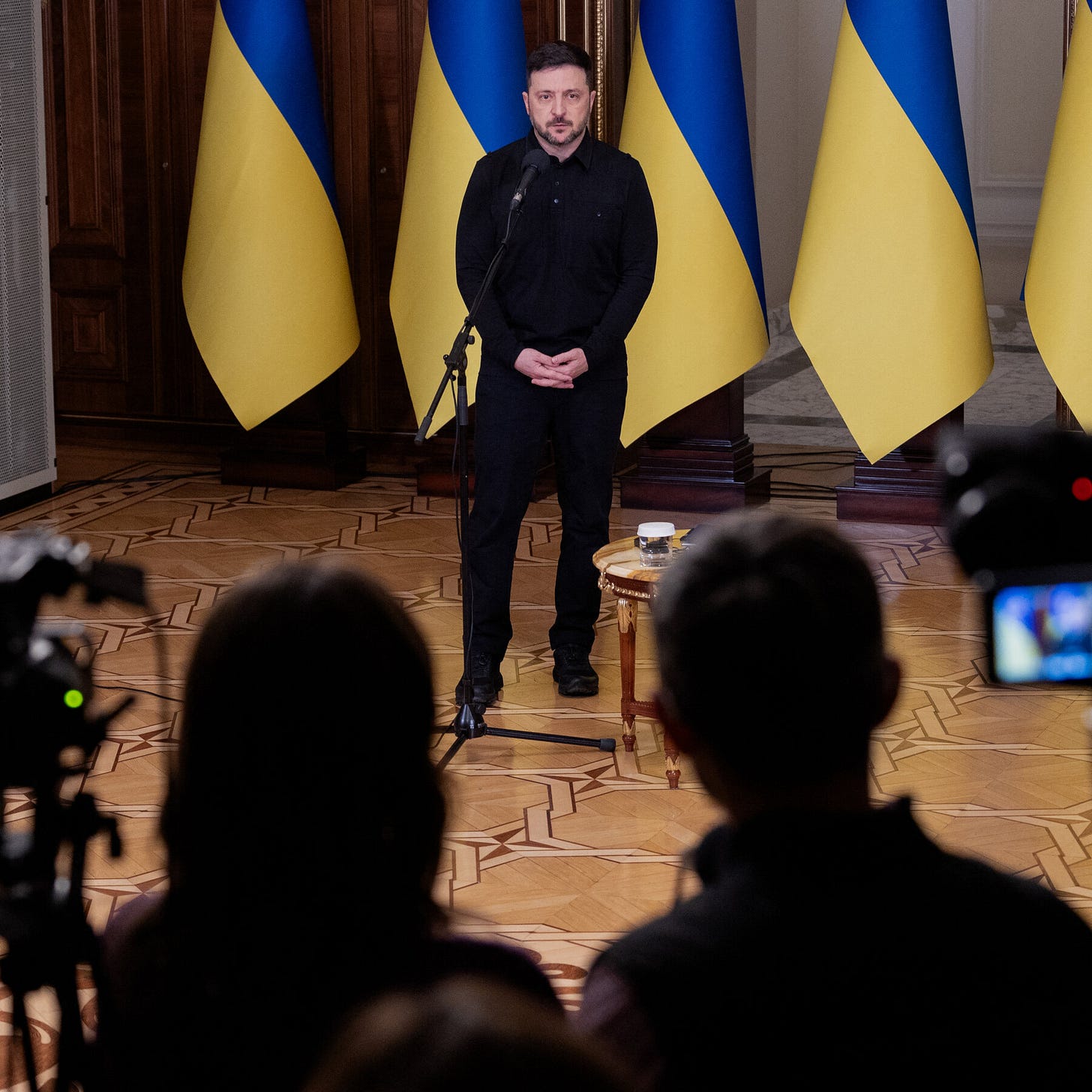
The President is between far-right Western patrons and his own country… maintaining the status quo is likely the only thing remaining.
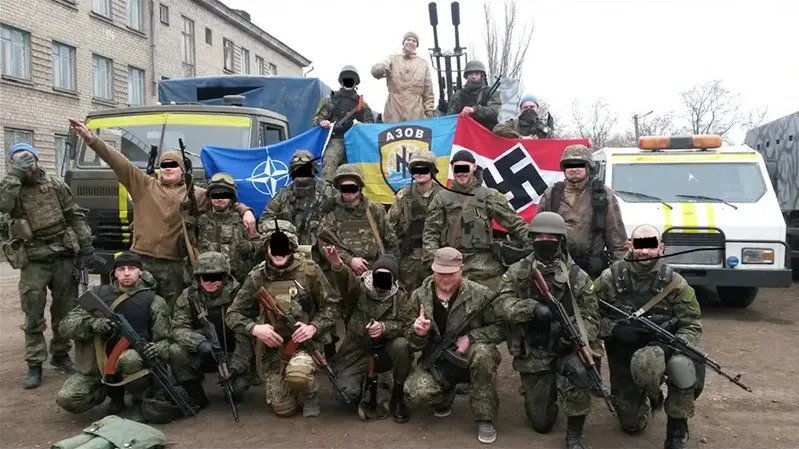
The Deep State and the Intelligence Apparatus
The notion that Ukraine operates as a fully sovereign entity making independent decisions is contradicted by the pervasive influence of Western intelligence services, particularly Britain’s MI6. Ukraine’s wartime strategy is largely shaped from abroad, with British intelligence deeply embedded in the country’s military and political decision-making.
This reality is starkly illustrated by the positioning of figures like former Commander-in-Chief Valerii Zaluzhnyi. While often portrayed in Western media as a popular, independent alternative to Zelensky, analysts operating within this framework view Zaluzhnyi not as a sovereign Ukrainian nationalist, but as a vetted asset of Western intelligence. His rise, public image, and eventual sidelining were managed to ensure that no matter who occupies the presidential office or military command, the overarching strategy remains aligned with Western objectives. Nothing of strategic significance occurs in Kyiv without the implicit or explicit approval of these foreign intelligence apparatuses, ensuring that the war effort remains on a predetermined, unyielding trajectory.
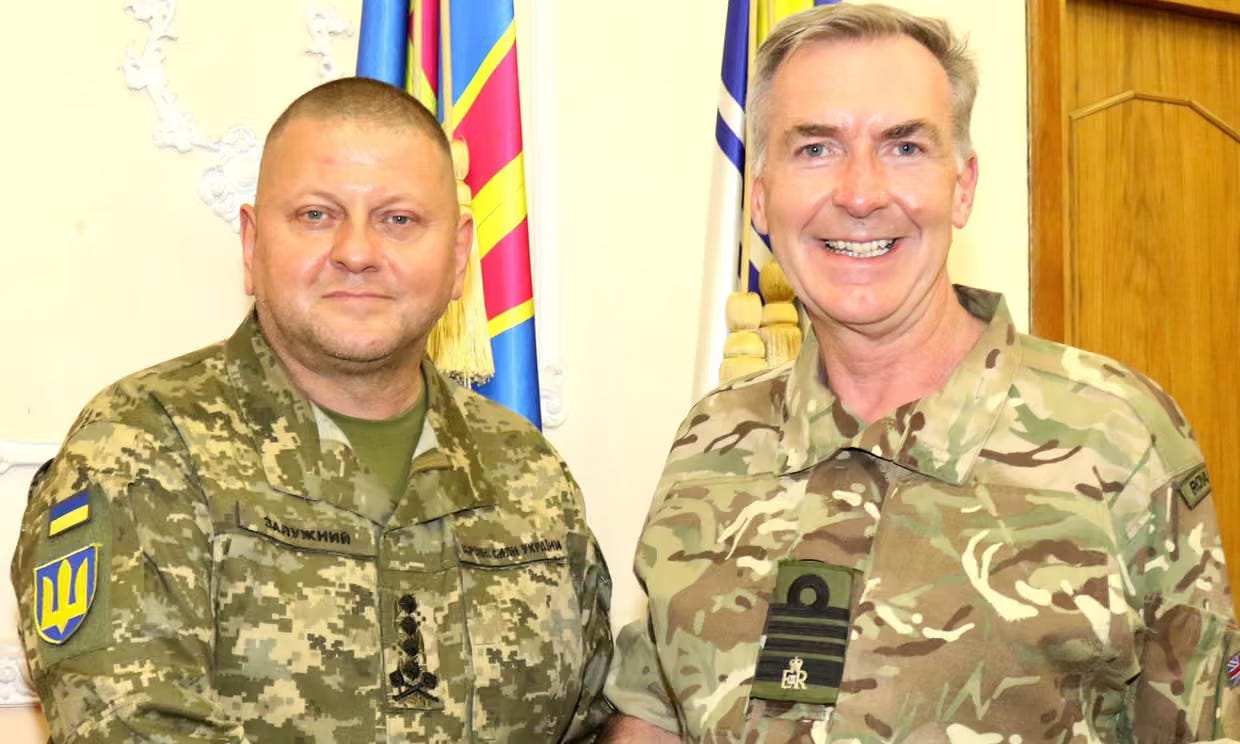
Simply an “asset”…
The Mercenary Economy: Training Grounds for Future Conflicts
Particularly notable is the significant presence of mercenaries from South America, including veterans of various conflicts and individuals with military backgrounds from countries like Colombia, Brazil, and Chile. These fighters are gaining invaluable combat experience against a near-peer adversary, learning modern warfare tactics, drone operations, electronic warfare, and urban combat techniques that are directly applicable to other conflict zones.
Security analysts have raised serious concerns about what will happen when these mercenaries eventually return home. The skills they are acquiring in Ukraine—advanced weapons handling, guerrilla tactics, bomb-making, intelligence gathering, and assassination techniques—are highly marketable. Upon their return to South America, many are expected to offer their services to the highest bidders, particularly the powerful drug cartels that have long plagued the region. This creates a disturbing feedback loop where a European conflict directly fuels violence and instability in Latin America, as battle-hardened veterans apply NATO-standard tactics to cartel warfare, potentially escalating violence to unprecedented levels.
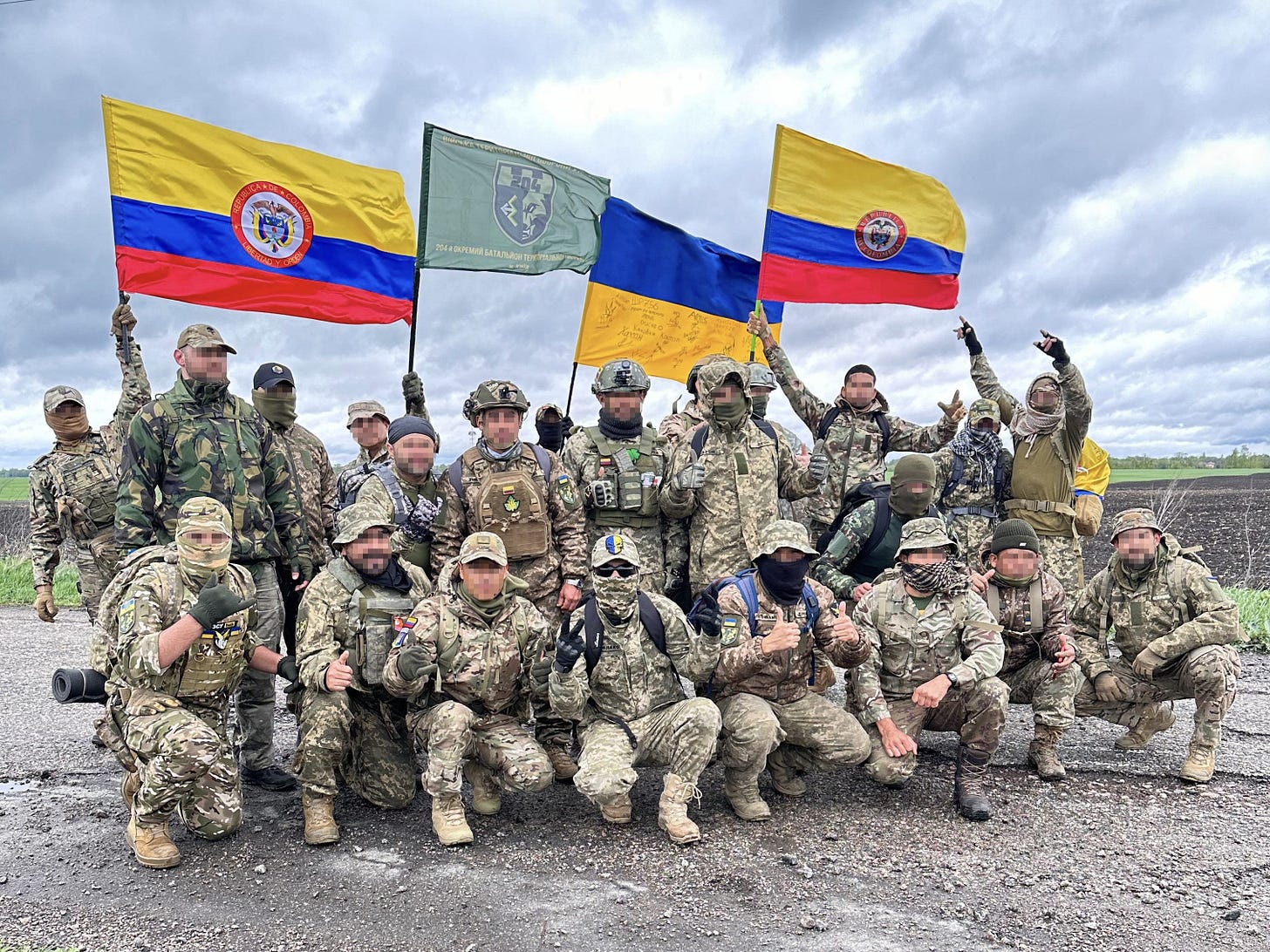
Colombian mercenaries - their skills are highly prized among the narco-cartels. Where else can they work? Law enforcement? Highly doubtful… cartels paying way better… and this is just the beginning
NATO Forces and the Preparation for Wider War
Perhaps even more significant than the mercenary phenomenon is the documented presence of Western military personnel, including active and former special forces operators from NATO countries, participating directly in combat operations in Ukraine. While Western governments officially maintain that their forces are not engaged in direct combat, numerous reports and investigations have revealed that special operations personnel from the United States, United Kingdom, Poland, and other NATO members are actively involved in various combat roles.
These personnel are not merely advisors or trainers; they are participating in intelligence gathering, targeting operations, drone warfare, and in some cases, direct firefights with Russian forces. This involvement gives NATO special forces an unprecedented opportunity to gain real-world combat experience against a sophisticated adversary equipped with modern air defense systems, electronic warfare capabilities, and conventional military power.
From a strategic perspective, this represents an invaluable training opportunity that cannot be replicated in exercises or simulations. NATO forces are learning Russian tactics, testing their equipment against Russian systems, developing countermeasures to Russian electronic warfare, and refining combined arms operations in a high-intensity conflict environment. Every battle, every engagement, and every loss provides data and experience that NATO will incorporate into doctrine and training programs. Critics argue that this amounts to preparing for a future full-scale war between NATO and Russia, using Ukraine as a proving ground and Ukrainian lives as the cost of that education.
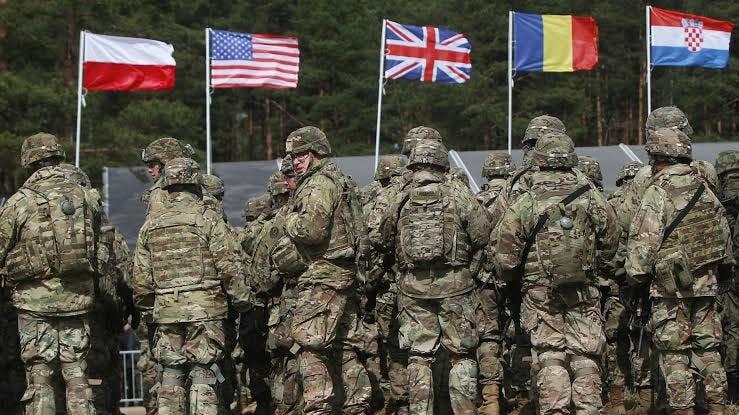
NATO troops are in Ukraine… liaison officers, operators, instructors, signal troops, instructors, special forces…
The Proving Ground for Western Weaponry
Beyond the training of personnel, the conflict serves as an unprecedented, real-world laboratory for NATO and Western-made weaponry. For decades, the United States and its allies have dominated global conflicts, but these were largely fought against asymmetric, third-world opponents lacking modern air defenses, electronic warfare capabilities, or peer-level artillery. Despite this overwhelming technological superiority, the US still suffered strategic defeats in protracted conflicts like Iraq and Afghanistan.
Ukraine offers a starkly different paradigm: a high-intensity, conventional war against a near-peer adversary with a sophisticated, layered defense. Western governments and defense contractors are eager to see how their flagship systems—such as the Patriot, HIMARS, Leopard tanks, and Storm Shadow missiles—perform against Russian electronic warfare, drone swarms, and advanced air defenses. This real-world testing is invaluable, exposing the vulnerabilities and limitations of Western tech that marketing brochures and sanitized military exercises would never reveal. It allows the West to gather crucial data on how their weapons fail, how they can be jammed, and how they must be upgraded for future high-end conflicts.
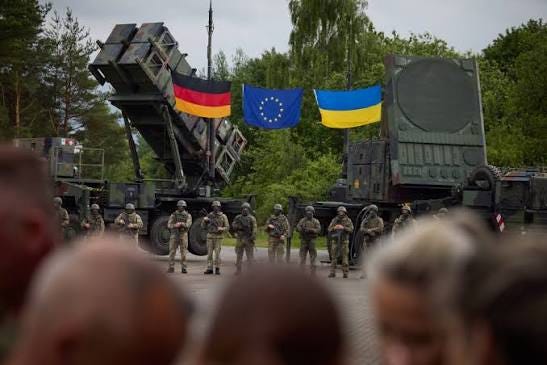
The real test of NATO weaponry against the peer opponent… so far, it is far away from the marketing presentation served by the media
The Industrial Base and the Attrition Reality
However, this real-world stress test has exposed a critical, perhaps fatal, flaw in the Western military paradigm: the inability to sustain a prolonged war of attrition. The Western military-industrial base is fundamentally optimized for short, high-intensity expeditionary conflicts—blitzkrieg-style interventions against technologically inferior foes. It is not designed for the grinding, artillery-heavy attrition seen in Ukraine.
The struggle of NATO nations to produce sufficient munitions, particularly 155mm artillery shells and precision-guided missiles, has been glaringly evident. Stockpiles built up over decades have been rapidly depleted, and ramping up production has proven incredibly difficult due to deindustrialization, supply chain bottlenecks, and a lack of surge capacity. This logistical reality underscores a profound strategic weakness: while the West can project power globally for a few weeks, it is currently ill-equipped to fight a sustained, multi-year conventional war against a major industrial power like Russia. The inability to match Russian artillery fire and munition production rates forces the West to rely on diplomatic and economic pressure to keep the war going, rather than purely military solutions.
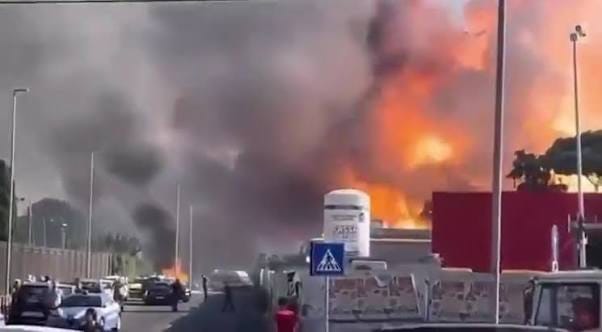
Burning NATO factory that produces munitions for Ukraine…
The Collective Survival of the Political Elite
This dependency on perpetual conflict extends beyond the president to the broader Ukrainian political and oligarchic elite. The current ruling class has thoroughly intertwined its fate with the wartime status quo. Years of martial law, the consolidation of power, and the redirection of state resources have created a system where the elite’s wealth, influence, and physical safety are entirely dependent on the continuation of the current regime.
If Zelensky were to fall, or if a sudden peace agreement were to destabilize the current power structure, the entire political establishment would face existential jeopardy. A post-war environment would inevitably bring demands for accountability, the potential loss of Western financial lifelines, and the unraveling of the emergency powers that currently shield them. Therefore, the political elite is compelled to support Zelensky and the war effort, not out of ideological fervor, but out of a shared imperative for collective survival. They are locked in a pact where the collapse of the leader means the collapse of them all.


Russia’s Grim Strategic Calculus
Perhaps the most paradoxical element of this prolonged conflict is Moscow’s strategic calculus. While Russia officially seeks the “demilitarization and denazification” of Ukraine, the current Ukrainian leadership is inadvertently achieving these goals on Russia’s behalf.
From the Kremlin’s perspective, there is no strategic incentive to eliminate Zelensky. His policies, driven by the need to satisfy Western demands for total war, have resulted in the systematic dismantling of the Ukrainian state. The massive demographic depletion, the destruction of critical infrastructure, the flight of millions of citizens, and the economic devastation are all outcomes that align with long-term Russian objectives of neutralizing Ukraine as a viable, independent threat on its border. Russia recognizes that Zelensky, in his desperate bid to remain useful to the West, is actively destroying his own country’s future. Eliminating him would risk replacing him with someone more competent, more unifying, or better able to negotiate a peace that preserves Ukrainian statehood. As long as the current leadership continues to bleed the country dry in a war it cannot win, Moscow views him as a strategic asset, albeit an unwitting one.
The Media-Military-Industrial Echo Chamber
Compounding these strategic and industrial realities is the profound incompetence and disconnect of the Western mass media and its military analysts. The public narrative in the West is largely shaped by a revolving door of retired high-ranking military officers and defense officials who transition seamlessly into lucrative roles as television analysts and consultants for the very media and military-industrial complexes they once served.
These figures operate in a closed echo chamber, profoundly disconnected from the grim realities on the ground in Ukraine. They routinely offer overly optimistic assessments, dismiss Russian tactical adaptations, and parrot the official talking points of their former institutions. This manufactured consensus serves to obscure the actual trajectory of the war, hiding the failures of Western weapons, the depletion of stockpiles, and the strategic stalemate. By prioritizing the defense industry’s financial interests and their governments’ political narratives over objective analysis, these commentators ensure the public remains largely ignorant of the true costs and diminishing returns of the prolonged conflict.
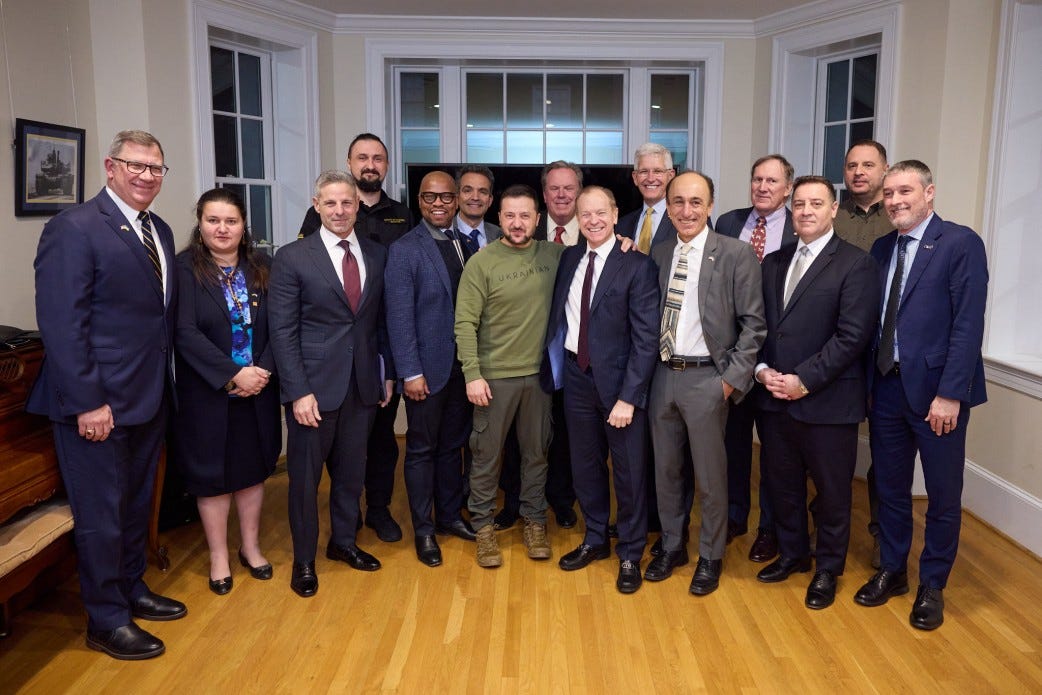
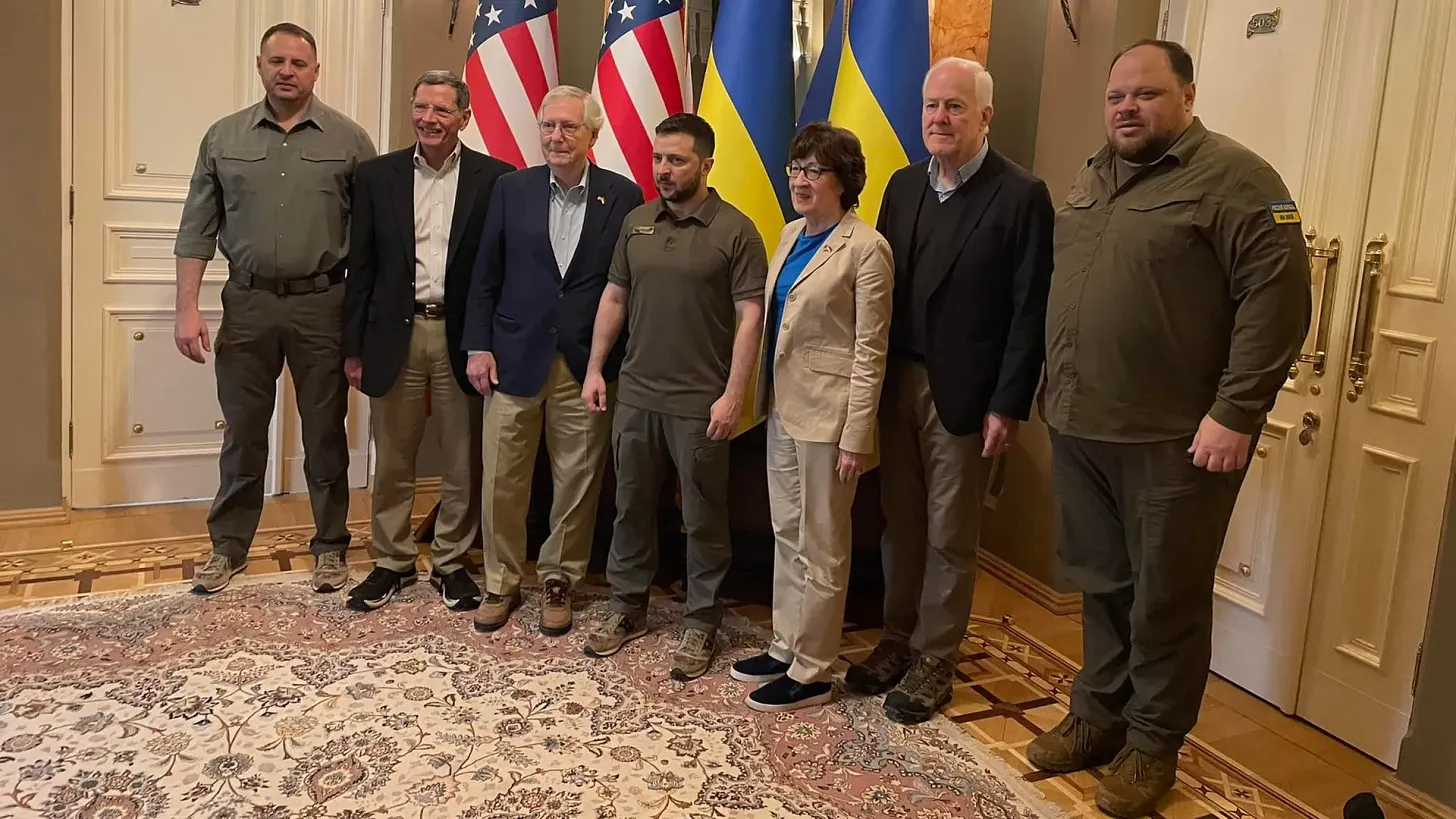
Zelensky with executives of U.S. defense companies… business is booming…
Conclusion: A War Without an Exit
These factors converge to create a formidable barrier to peace. Zelensky must continue the war to avoid being discarded by Western powers or eliminated by nationalist factions within Ukraine. The Ukrainian political elite must support him to protect their own power and survival. Western intelligence agencies and military forces are using the conflict as a training ground and testing laboratory for future confrontations with Russia, while simultaneously exposing the limitations of their own industrial base. International mercenaries are gaining skills that will destabilize regions far beyond Eastern Europe. Meanwhile, Russia tolerates the current leadership because their actions are effectively dismantling the Ukrainian state from within.
In this grim equilibrium, the war is no longer just a military contest; it is a self-sustaining political, economic, and military ecosystem with powerful stakeholders on all sides who benefit from its continuation. Peace would threaten the survival of political leaders, eliminate valuable training opportunities for Western forces, and expose the strategic weaknesses of the NATO alliance. Until these underlying structural incentives shift, the war in Ukraine will continue. Peace remains a distant illusion, overshadowed by the immediate, overriding imperatives of political survival, military preparation, and industrial profit.
If you like the article (and many more articles regarding military subjects will come), you can buy me a coffee:
https://www.buymeacoffee.com/mmihajloviW
[i] Edited by Piquet (EditPiquet@gmail.com)