Simplicius
US Troop Casualties Pile Up as Iran Goes to Town on US Bases
The conflict has erupted anew, and Iran has now struck back in a major way, killing and wounding US troops:
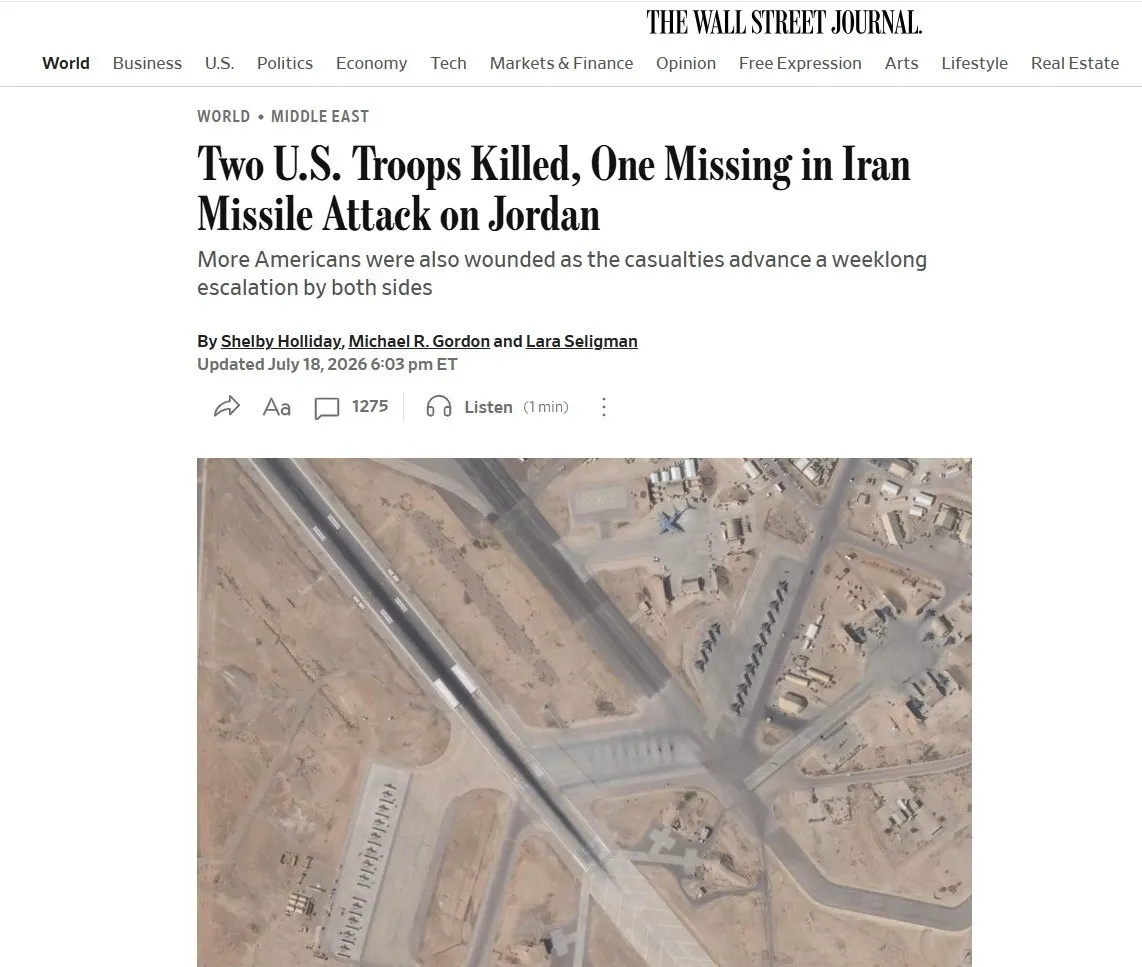
As per usual, rumors claim the casualties are far higher than the US admits to, particularly given initial reports about “missing troops” still trapped under the rubble. A former US air force pilot reportedly posted the following:
Middle East Observer@ME_Observer_
⚡️ A former U.S. Air Force pilot, close to U.S. Central Command, says that at least 3 to 5 more soldiers on medical evacuation planes "will probably not survive." There are also 15 other soldiers with serious, life-threatening injuries, whose fate remains unclear.

Stellar Man@stellarman22
x2 C17 medivac flights immediately left from Muwaffaq Salti Air Base, Jordan following the mass casualty event (at least 3 dead admitted by CENTCOM) after the arrival of 2 Iranian ballistic missiles on the base last night. The scope of the casualties are likely much higher.

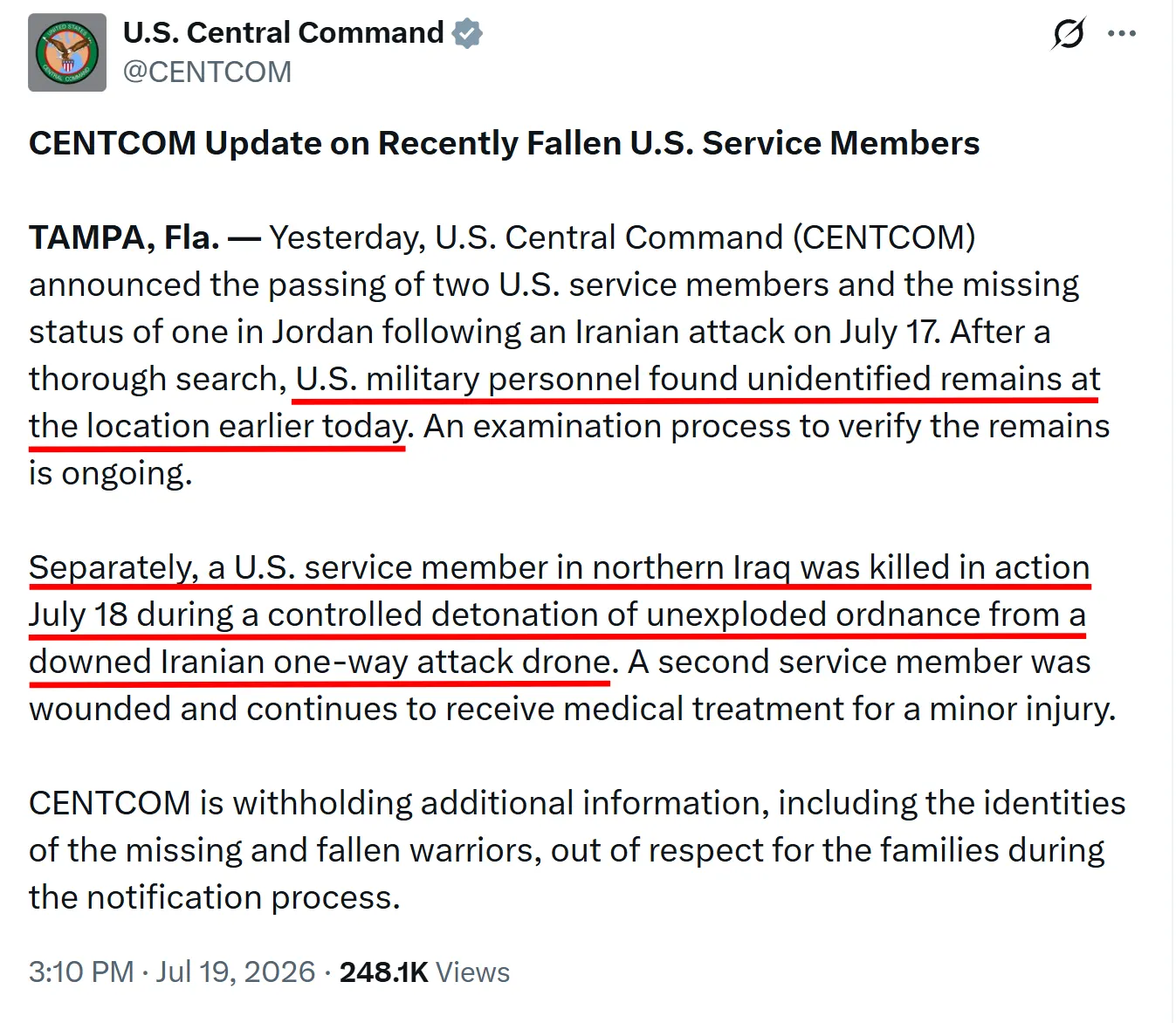
And in fact, as of this writing CENTCOM has released an update that two more troops have now been declared dead, which brings the total to four:
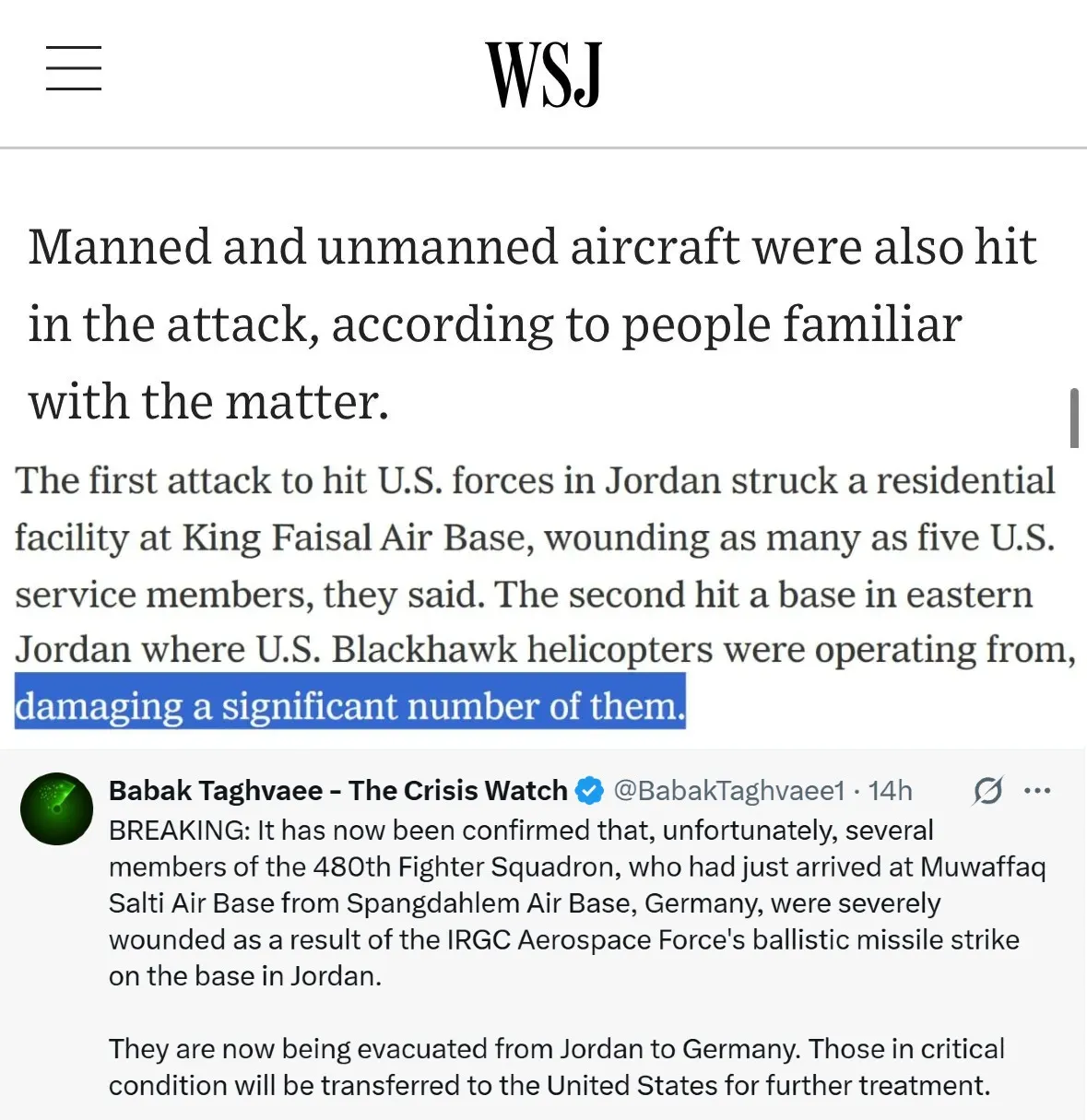
Further reports indicate a large number of American aircraft were destroyed, from Blackhawk helicopters to potentially F-15s and unmanned drone platforms:
Tom Bike@tom_bike
POSS aircrafts destroyed inside based on scorch marks & vehicles attending US 🇺🇲 F-16 or F-35 shelter obliterated by one accurate ballistic missile strike spotted in Iran 🇮🇷 satellite images at 31.8244, 36.7857 Jordan 🇯🇴 Muwaffaq al-Salti Air Base hit at 2300 UTC on July 17.
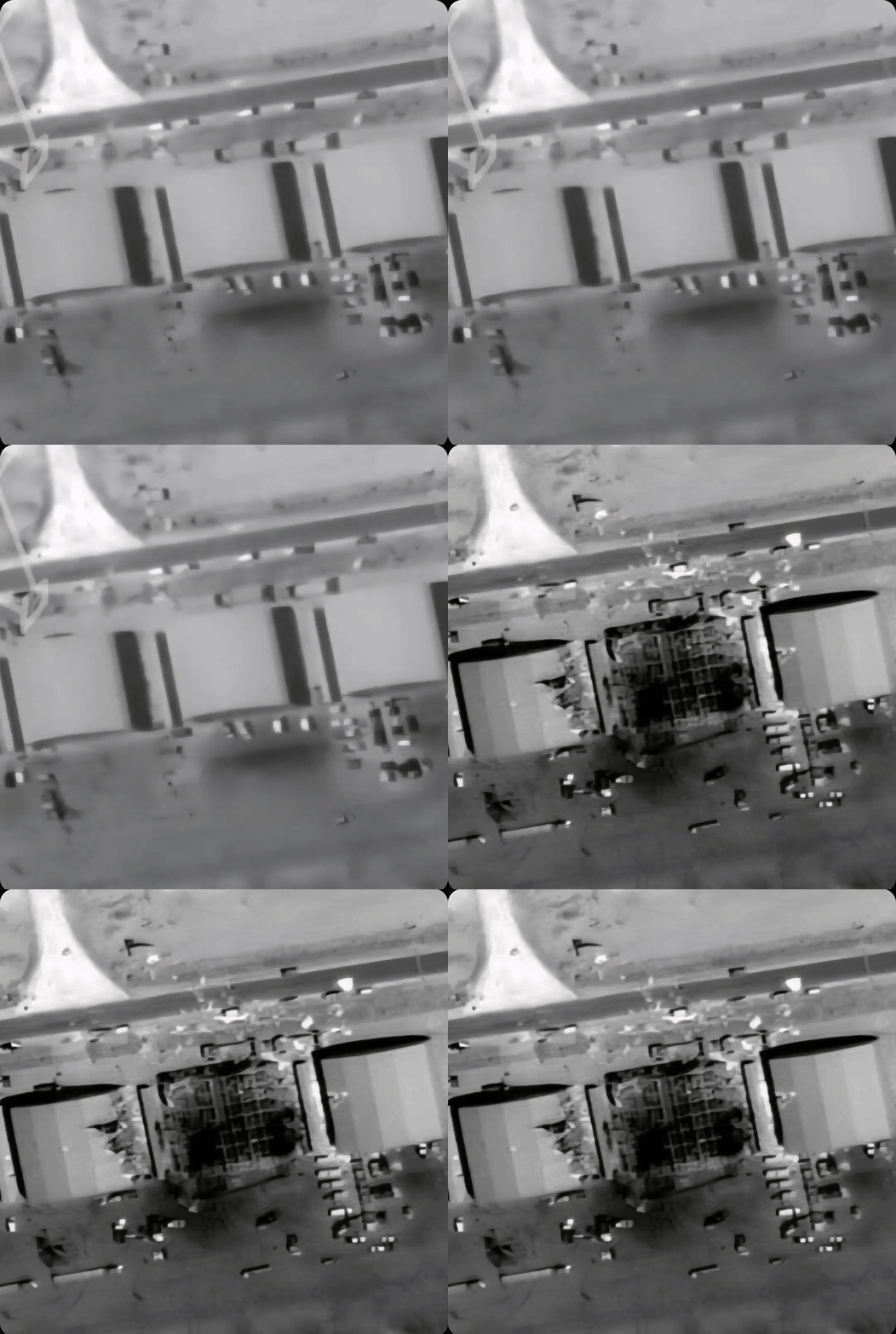
11:19 AM · Jul 19, 2026 · 19.4K Views
One of the biggest stories around the attack centers on the claim from US officials that Russia and China have been the key playmakers providing Iran with high quality targeting to hit these sensitive sites, with some claiming (see below) that Russia has continued flying major supplies into Iran in recent weeks:
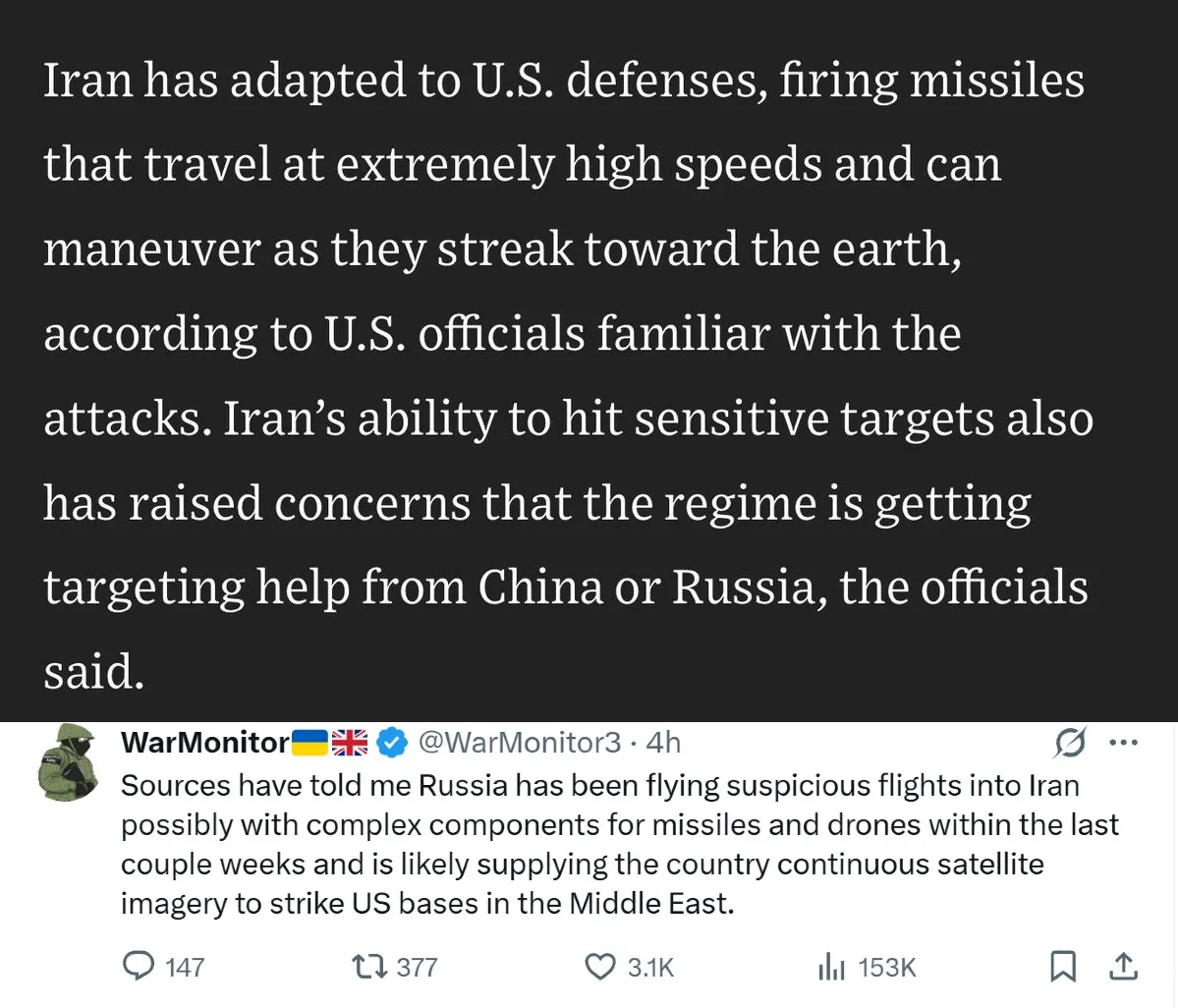
US Congressman Riley Moore was shocked at the “precision” with which Iran was able to strike the US sites in Jordan in particular, concluding that Russia and China must be helping:
This precision was evident in the fact that Iranian missiles hit precisely the troop billeting area of the Muwaffaq al Salti Air Base in Jordan.
Here is footage of the strike—you can see Iranian missiles blithely passing US Patriot interceptors. The second part at 0:15 shows footage taken from inside the base by US troops who were being hit:
The other big part of the story circles around the fact that US troops and assets are increasingly being pushed out of the region, further into the rear. This not only degrades US’s own capabilities for striking Iran, but slowly concentrates US troops in vulnerable areas like the Jordanian base, which allows Iran to then pick them off.
One Russian analyst notes that as other Gulf allies restrict US activity, the US is forced into increasingly vulnerable positions:
WHY IRAN IS NOW FOCUSED ON JORDAN
As the war escalated, Washington pulled forces out of Bahrain, the UAE, and Qatar — more exposed and more politically fragile — and concentrated them in Jordan. With other Gulf allies restricting US basing and overflight rights, Jordan quietly became the main platform for American air operations across Syria, Iraq, and the wider region.
That is precisely why Iran turned to it. When the enemy consolidates into one place, that place becomes the target. Striking the bases at Azraq and King Faisal is not about a single airfield — it is an attempt to make hosting US forces cost more than it is worth, and to destabilize the last platform Washington considered secure.
The tempo tells the rest: four attacks in five days, dozens of US troops wounded, and a significant number of US Blackhawk helicopters damaged, as reported by NYT. Iran is not only signaling intent — it is demonstrating it still holds deep missile stocks and can now reach the one place the US believed was safe.
LeonovZ
NYT corroborated:
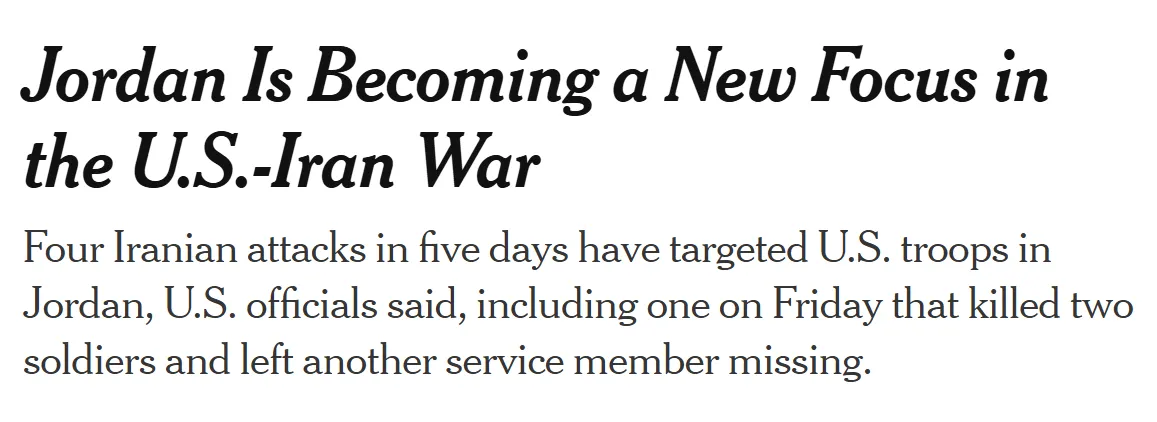
From the above:
Jordan, which hosts major U.S. air bases, grew in importance in the run-up to and the early days of the war, as the Pentagon shifted a number of troops from Bahrain, the United Arab Emirates and Qatar to relatively more secure locations in Jordan and Israel. The country’s role in U.S. operations has only increased as other American allies in the region have restricted Washington’s ability to base troops in and fly aircraft over their territories, the U.S. officials said.
As can be seen, Iran is forcing the US to retreat by devastating the regional bases closest to Iran itself. Now some Iranian figures are even proposing that Iran could launch its own offensive ground invasion to take US bases in neighboring Kuwait.
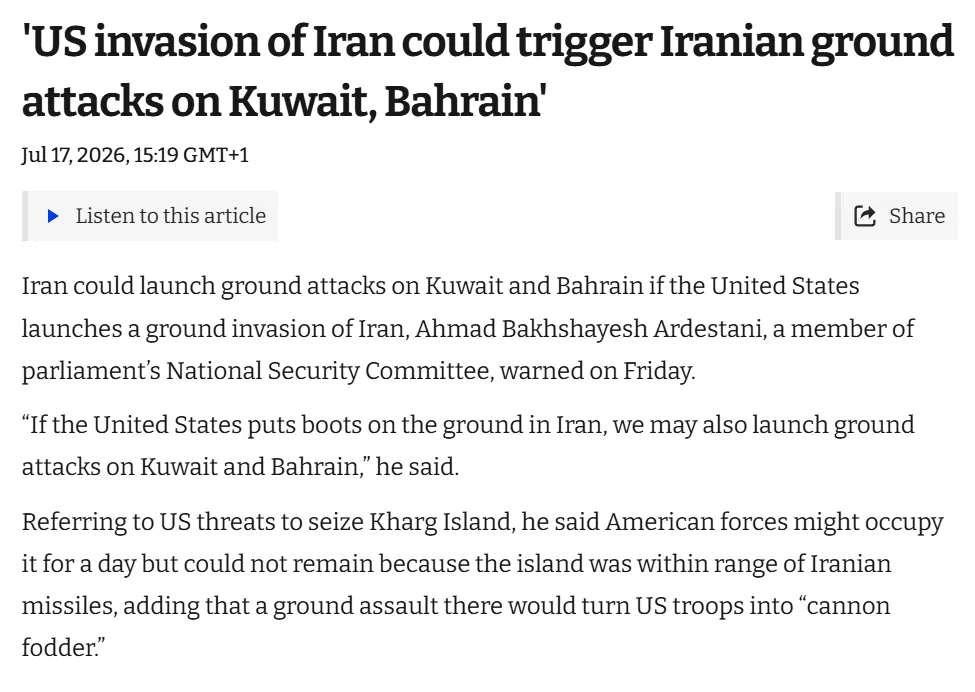
A prominent Iranian academic and analyst wrote the following:
Mahdi Khanalizadeh@Khanalizadeh_EN
Kuwait is considered one of Iran's principal options for a potential ground incursion aimed at seizing the two U.S. military bases located within the country.

The two bases would presumably be Camp Buehring in north Kuwait about 100km from the Iranian border, and perhaps Camp Arifjan or Ali Al Salem Air Base.
Former Iranian Foreign Minister Manouchehr Mottaki likewise told Iranian media:
“My proposal is that we launch a ground attack on one of the US bases in the region, capture 100 Americans and bring them to Iran.”
More than likely these are just Iranian psychological tactics meant to present US with its own taste of ‘strategic ambiguity’, and make it think twice about attempting any ground operation. But, given what we’re seeing with the US being pushed back out of regional bases, who knows what could happen?
Maybe if Trump drags this war out for long enough, Iran will have dispersed US assets to such an extent that such a cross-border stunt into Kuwait could be feasible as a final humiliating blow. It’s difficult to guess the intentions of a country whose entire leadership has been “renewed” by war.
Such a new leadership could choose to entirely throw away the previous calculus. For instance, a spokesman for the Iranian Parliament’s National Security and Foreign Policy Commission recently proposed that Iran could even reverse its nuclear doctrine by withdrawing from the NPT treaty which prohibits Iran from acquiring nuclear weapons:
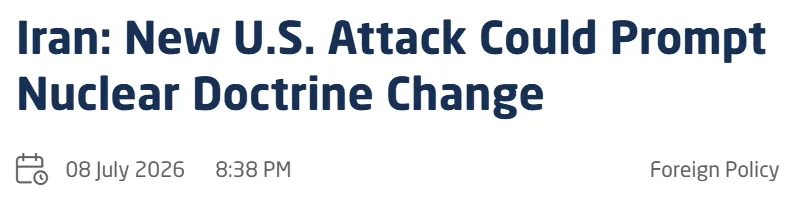
Ebrahim Rezaei, spokesperson for the Iranian Parliament’s National Security and Foreign Policy Commission, said Iran could consider withdrawing from the Nuclear Non-Proliferation Treaty (NPT), changing its nuclear doctrine, and closing the Bab al-Mandab Strait in addition to the Strait of Hormuz if the United States launches another attack against the country.
Now Iran has been proudly demonstrating its ability to build back after US strikes. A multitude of videos have hit the networks showcasing Iran rebuilding its various bridges and tunnels which were hit by US strikes over the past week.
Via AI dub translation:
The tunnel mentioned in the very first video above is reportedly at 27.5829, 56.2498 geolocation, which would put it here in relation to Bandar Abbas:
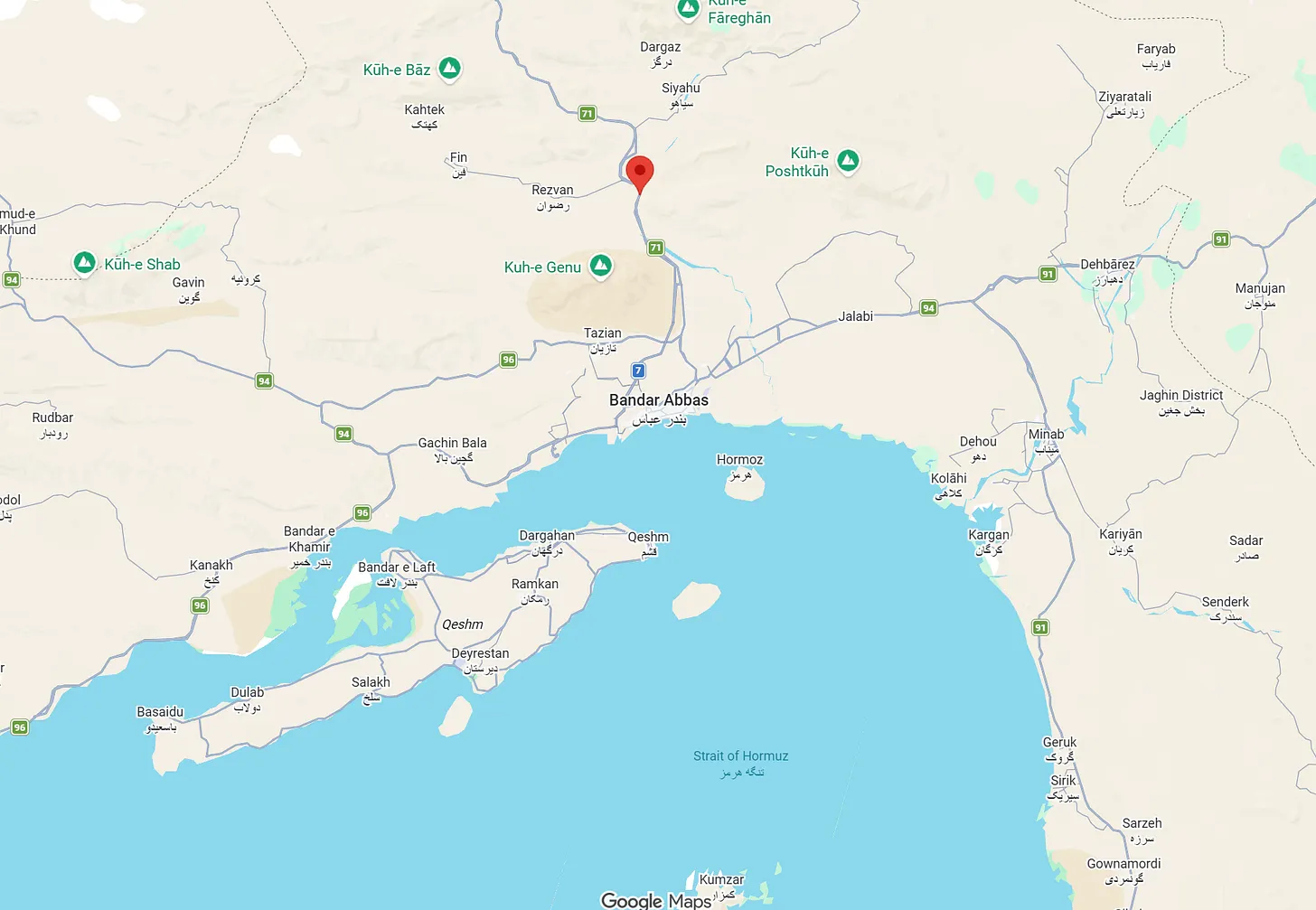
We spoke last time about the US plan to potentially lock out Bandar Abbas from neighboring regions. Now we see the Iranians have already unblocked many of the tunnels and are repairing the bridges as well.
Drop Site@DropSiteNews
🇮🇷 Iran’s energy minister says repairs to the Bonji desalination plant in Jask are complete and water service has returned to normal less than 48 hours after the facility was damaged in a U.S. missile strike. The plant supplies drinking water to about 10,000 people across 20

It should also be noted, that one likely vector of a potential “ground operation” plan for the US would not be to seize Bandar Abbas itself, but rather cut off Bandar Abbas in order to isolate nearby Qeshm island. Qeshm is likely entirely supplied by the Bandar Abbas region, and thus cutting off that region from itself being resupplied from the outside would isolate Qeshm, making it vulnerable for the taking.
We know Qeshm has been on the US’s mind for an amphibious operation of some sort, along with Kharg. Qeshm island would be critical due to its strategic location at the very choke point of the Strait of Hormuz, which would theoretically allow the US to control the strait:

Trump remains undeterred by the losses of his own troops, describing the occasion simply as “sad”. The US is now beginning a new round of attacks, which have escalated toward hitting more critical Iranian infrastructure: last night, the US reportedly struck Iran’s under-construction nuclear plant in Darkhovin, which does not yet contain any nuclear material, according to the IAEA.
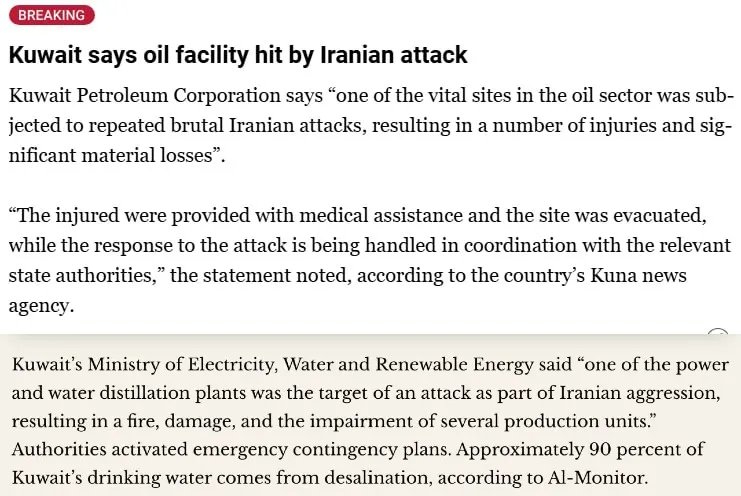
Iran has again responded in kind, damaging a vital Kuwaiti oil facility and “water distillation plant”:
At this point, there is less of a plan than ever before from Trump. He’s now trapped in a classic zugzwang of his own making, and must continue bombing aimlessly to preserve his own narcissistic self-image, as being defeated by Iran would crush his ego. We are witnessing the Iranians rebuild everything that’s destroyed in short order while continuing to attrit US assets and capabilities in the region—a fourth MQ-9 Reaper of the last few days was reportedly shot down earlier today.
Parts of Honeywell TPE331-10GD turboprop engine salvaged from an American MQ-9 UAV which was reportedly shot yesterday near the Iranian city of Assaluyeh being carried by a donkey through inaccessible, mountainous terrain.

The conflict has turned not only into a global farce, but an obvious personal vendetta for the tilting Trump, who is spilling out the last of his country’s sacred blood and treasure for a quixotic windmill chase that has doomed his entire nation. We can only sit and watch how far he takes this fanatic quest, while hoping for a Sancho to bring him back down to earth.
Your support is invaluable. If you enjoyed the read, I would greatly appreciate if you subscribed to a monthly/yearly pledge to support my work, so that I may continue providing you with detailed, incisive reports like this one.
Alternatively, you can tip here: buymeacoffee.com/Simplicius