Dimitri Lascaris


| Traducir—Translate! | |
| Make fonts bigger>>> | Resize text-+= |
Summary
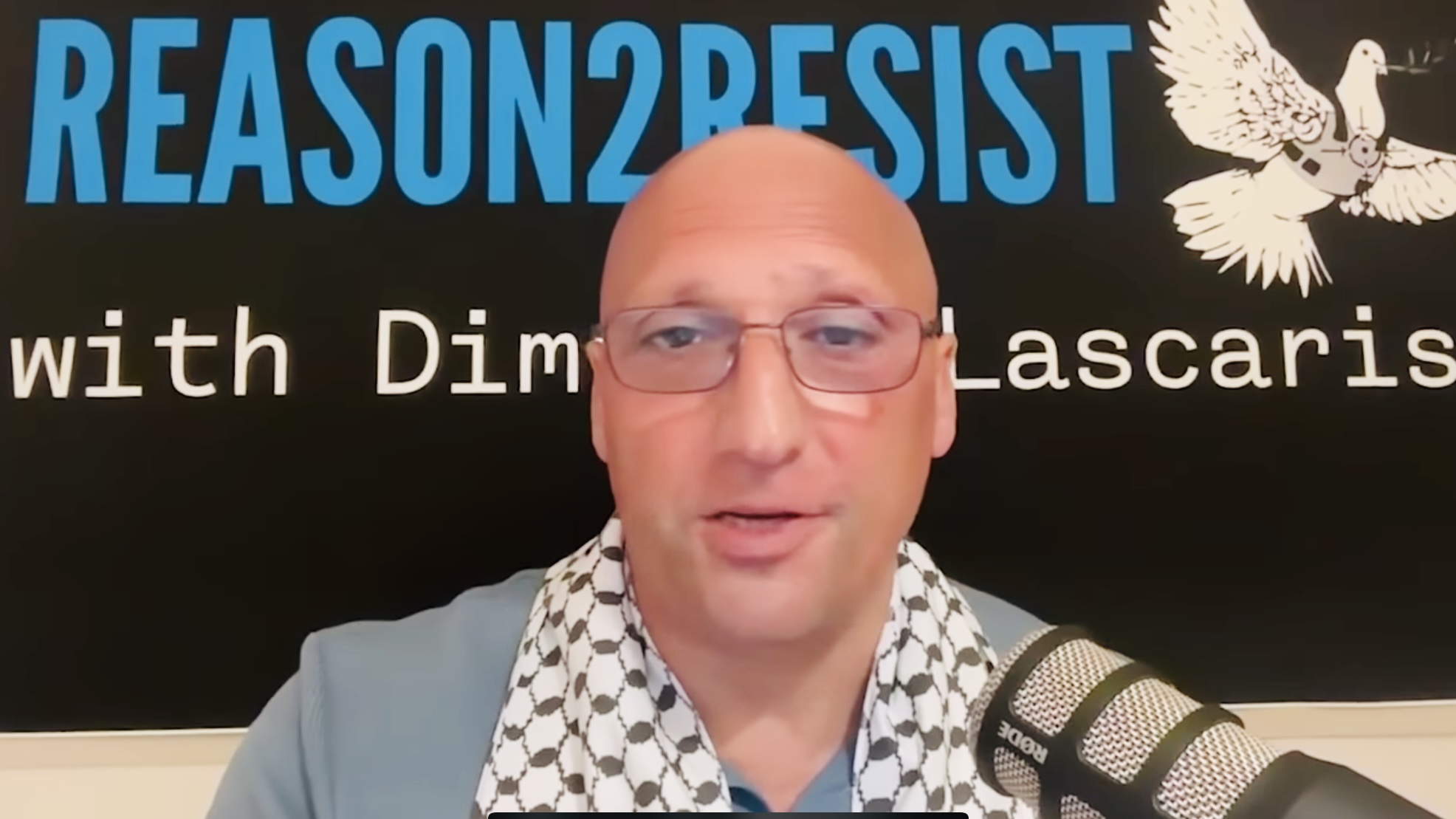
The video provides an extensive and detailed analysis of the ongoing conflict centered on Iran, focusing on the military, political, and social dimensions of the war. Lascaris begins by addressing technical difficulties and the absence of his comrade Ramy, emphasizing the volume of material to cover. The discussion centers on the criminal nature of the war of aggression against Iran, involving Israel and the United States, and highlights the propaganda and misinformation surrounding the conflict. Lascaris references statements from Israeli and U.S. officials, contrasting them with footage and reports from the region, particularly Iran’s resolute leadership and public demonstrations that contradict Western narratives of internal dissent.
Key military developments are discussed, including multiple waves of Iranian missile and drone attacks targeting Israeli military bases and U.S. military infrastructure in the Persian Gulf and the broader region, with significant damage inflicted on strategic sites in Israel, Iraq, the UAE, and potentially Saudi Arabia. Lascaris underscores the ability of the Iranian military to sustain a prolonged conflict despite Western claims of Iran’s dwindling capabilities.
The video also explores the psychological warfare and misinformation campaigns by Israel and the U.S., including selective media leaks portraying Iran as targeting civilians exclusively, while evidence shows primarily military targets are struck. Lascaris highlights the resilience and defiance of the Iranian people, with footage of their leaders openly walking among citizens amid war conditions, challenging Western portrayals of their vulnerability or unpopularity.
Attention is given to the broader geopolitical implications, such as the role of European countries covertly supporting the U.S.-led war effort and the economic consequences of the conflict, particularly the disruption of oil supplies and rising global fuel prices. Lascaris critically examines the notion of “Greater Israel,” arguing it is an unrealistic goal considering historical trends of Israeli territorial contraction rather than expansion.
Throughout, Lascaris criticizes Western governments’ hypocrisy and cowardice, contrasting their leaders’ heavy security and avoidance of public scrutiny with the Iranian leadership’s visible public presence. The presentation closes with a reflection on the enduring nature of the conflict, the likely prolonged economic impact, and the importance of on-the-ground journalism to reveal the truth of the war.
Highlights
- [03:58] 🚀 Hezbollah’s largest rocket attack: 200 rockets into northern occupied Palestine as a message to Israel.
- [07:00] 📉 Israeli public rates Netanyahu and his cabinet’s war performance poorly under heavy censorship.
- [11:14] 👥 Iranian leaders, including the president and foreign minister, openly walk among crowds during wartime, defying Western claims of unpopularity.
- [25:00] 🎯 Iran’s wave 47 missile strikes target key Israeli military bases and Shinbet headquarters, with no verified civilian damage footage released.
- [36:22] ⚔️ U.S. military bases in the Persian Gulf, including Aldafra in UAE, suffer significant missile damage from Iranian strikes.
- [45:18] 🇦🇪 Dubai International Financial Center reportedly hit by Iranian kamikaze drone, signaling escalation beyond Israel and Iran.
- [01:16:28] 📉 Historical evidence shows Israel’s territory has shrunk since 1967, undermining the idea of a successful “Greater Israel” expansion.
Key Insights
- [03:58] 🚀 Hezbollah’s Rocket Barrage as a Symbolic Defiance: Despite Israeli claims of having decimated Hezbollah’s capabilities, Hezbollah’s 200-rocket salvo into northern occupied Palestine demonstrates enduring military capacity and symbolic resistance. This counters Israeli narratives of decisive victory and shows a continuing cycle of retaliation and conflict escalation.
- [07:00] 📉 Israeli Public Sentiment Reflects War Fatigue: Polls conducted under strict military censorship reveal average to poor approval ratings for Netanyahu, and key cabinet members, highlighting domestic dissatisfaction despite media control. This suggests internal political pressure and potential instability within Israel’s leadership amid a prolonged conflict.
- [11:14] 👥 Iranian Leadership’s Public Presence Challenges Western Narratives: Footage of Iranian officials walking unprotected among civilians during wartime starkly contrasts with Western portrayals of Iranian leaders as hated and in hiding. This public accessibility may be intended to boost morale and project confidence domestically and internationally, undermining propaganda about Iranian regime weakness.
- [25:00] 🎯 Iran’s Targeting of Israeli Military Infrastructure: The Iranian military’s focus on precision strikes against Israeli military bases and security headquarters, while no civilian damage footage is verified, suggests a strategic and restrained campaign aimed at degrading military capacity rather than indiscriminate attacks. This contradicts Western media’s portrayal of Iranian aggression as targeting civilians exclusively.
- [36:22] ⚔️ Sustained Iranian Missile Campaign Against U.S. Military Bases: Iranian strikes on U.S. bases in the Persian Gulf, including significant damage to accommodation and aircraft hangars, indicate a high level of operational capability and strategic targeting. This challenges narratives of Iranian military depletion and suggests preparedness for prolonged conflict.
- [45:18] 🇦🇪 Expansion of Conflict to Gulf States’ Economic Centers: The reported drone strike on Dubai’s financial district signals an escalation that targets not just military but also economic infrastructure linked to U.S. and Israeli interests, potentially destabilizing regional economic hubs and challenging the UAE’s reputation for stability.
- [01:16:28] 📉 Historical Realities Undermine the “Greater Israel” Myth: Lascaris’s historical analysis reveals that Israel has contracted territorially since 1967 despite decades of conflict, undermining the feasibility of Israeli territorial ambitions. This counters fatalistic views about Israeli expansionism and offers a more nuanced understanding of regional power dynamics and resistance.
Overall Analysis
The video elucidates the complexity of the Iran war, emphasizing the disparity between official Western narratives and on-the-ground realities. It exposes misinformation tactics, highlights the resilience of Iranian leadership and society, and details the strategic military operations shaping the conflict. The focus on the sustainability of Iran’s defense and the significant damage inflicted on U.S. and Israeli military assets underscores the high stakes and protracted nature of the war.
Furthermore, the geopolitical and economic ramifications highlighted—such as the disruption of oil supplies and the covert involvement of European countries—paint a picture of a global conflict with far-reaching consequences. The historical perspective on Israeli territorial changes provides a counterpoint to alarmist rhetoric about regional domination.
The presentation calls for critical scrutiny of Western media and government claims, urging attention to firsthand reporting and evidence from the conflict zones. It suggests that while Iran’s endurance may challenge Western military objectives, the war’s continuation will likely exacerbate global economic instability and human suffering.
In sum, the video offers a comprehensive, critical perspective on the Iran war, emphasizing the resilience of Iranian forces and people, the strategic miscalculations of Israel and the U.S., and the broader implications for regional and global stability.

PLUS: SPECIAL FEATURE

Mar 17, 2026
 BEFORE you leave, PLEASE pay attention to this alert.
[t4b-ticker id="1"]
Print this article [bws_pdfprint display=’print’]
 This work is licensed under a Creative Commons Attribution-NonCommercial 4.0 International License •
ALL CAPTIONS AND PULL QUOTES BY THE EDITORS NOT THE AUTHORS